

About the Network
Building connections across the non-domestic animal community before, during, and after disasters
Stronger Together in Times of Crisis
When disaster strikes a zoological facility, no organization should have to face it alone.
The ZDR3 Network connects zoos, aquariums, sanctuaries, wildlife facilities, and industry partners across the United States to support one another before, during, and after emergencies. From hurricanes and flooding to wildfire response and emergency animal relocation, the network exists to help facilities navigate crisis situations more effectively.
Many ZDR3 Members join the Network with the goal of helping others: at this time, more than 100 facilities have indicated they want to deploy personnel to assist their colleagues! Many are willing to travel long distances to help, including by flying responders commercially or privately. Those facilities that are not able to send responders are often willing to provide support in other ways, such as contributing funds, resources, animal holding capacity, or subject matter expertise.
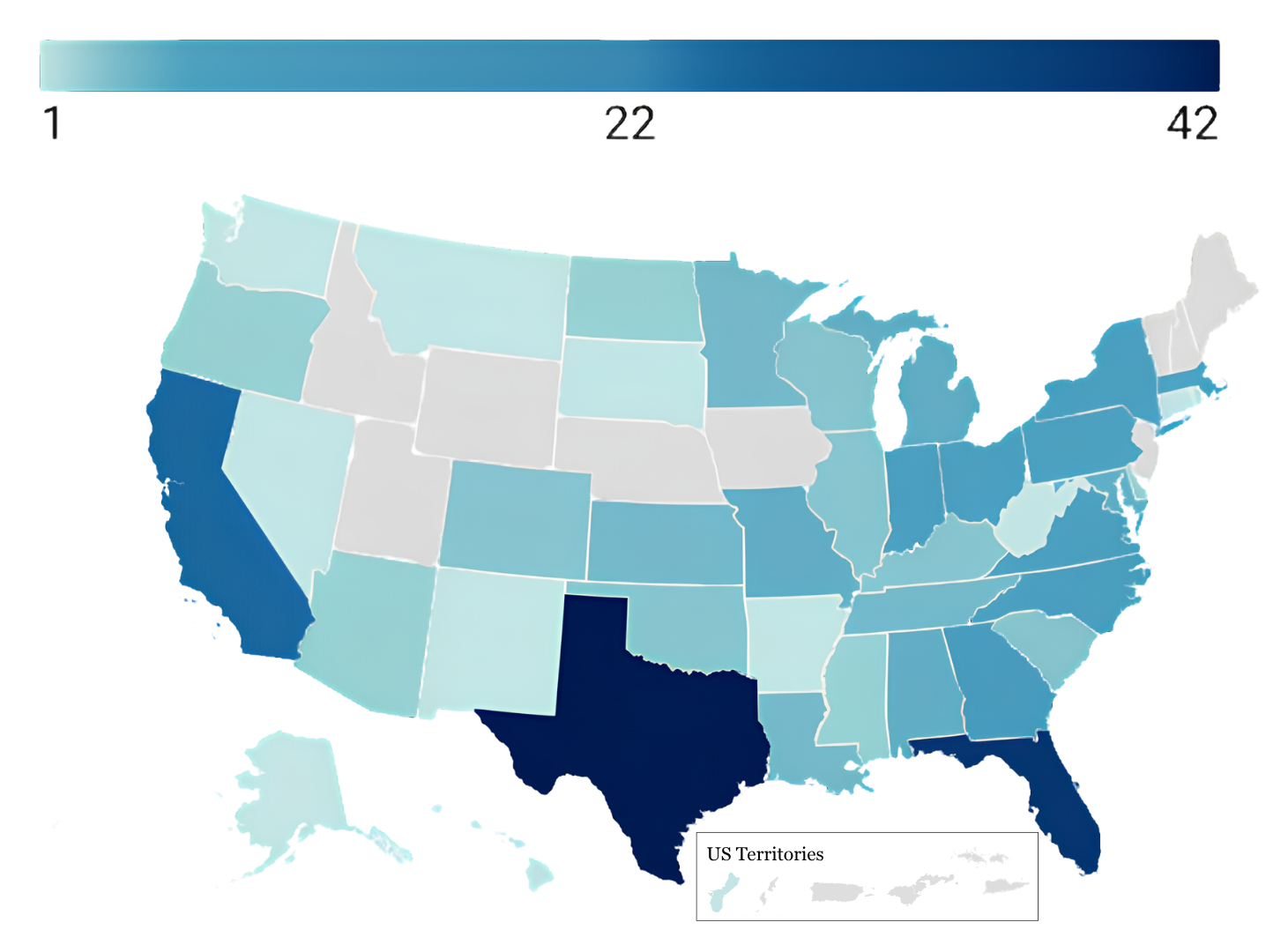
Today, the network includes more than 235 facilities and organizations across 42 U.S. states and territories, representing every FEMA region in the country.


How the Network Operates
When disasters disrupt routine operations, zoological facilities often require specialized coordination, expertise, and resources. ZDR3 connects facilities with the people, capabilities, and support they need to strengthen preparedness.
The ZDR3 Communications Command Post (CCP) serves as the hub for response activities before, during, and after a disaster. When a facility requests assistance, the CCP works across the Network to identify what is available, connect the right people and resources with the need, and help coordinate getting them where they need to go. This allows ZDR3 to pull support from across the Network rather than relying on any one region, facility, or team.


Who Makes Up the Network
The ZDR3 Network was created to serve and represent the entire non-domestic animal community. This includes a wide range of facilities that house and care for non-domestic animals, from zoos and aquariums to sanctuaries, wildlife rehabilitation centers, and any other animal-holding organization type.
Facilities of all sizes are welcome, regardless of accreditation or certification status. Participation is not limited by an organization’s ability to deploy personnel or provide resources. Every facility brings different needs, experiences, expertise, and capabilities to the Network.
The Network also extends beyond animal-holding facilities, bringing in organizations and partners whose services, expertise, and resources can support the zoological community before, during, and after disasters.
Network Facilities
Network Facilities are organizations that house non-domestic animals and participate in the Network through a Memorandum of Understanding (MOU). Participation does not create an obligation to deploy personnel, equipment, or resources during an emergency.
Some organizations may request support, others may offer assistance, and many may do both at different points in time.
Every participating facility strengthens the network simply by being part of it.
Strategic & Service Partners
Organizations that do not house non-domestic animals (or any animals) also play a critical role in disaster preparedness and response. Transportation providers, veterinary organizations, emergency management agencies, logistics specialists, equipment vendors, and other service organizations contribute expertise and capabilities that strengthen the zoological community before, during, and after disasters.
Together, these partnerships create a stronger, more connected network that benefits every participating organization.
