
Conservation Can’t Start Over
Buildings can be repaired. Roads can reopen. Utilities can be restored.
But conservation is different.

Conservation is built one birth, one breakthrough, one field study, one habitat, and one generation at a time. It represents decades of scientific research, careful planning, global collaboration, unwavering dedication, and hope for species whose future depends on the choices we make today.
What happens when disaster strikes?
In a matter of hours, natural disasters and human-centered threats can place decades of conservation progress at risk—not just by damaging buildings and infrastructure, but by disrupting the people, programs, and systems that sustain it. Breeding programs may be delayed. Critical research can be paused. Animal habitats may be compromised. All of which forces veterinary teams, animal care professionals, and conservation scientists to shift their focus from protecting the future to responding to the present.
When it comes to conservation, damage is not only physical, but also invisible. For many, it is measured in lost opportunities that may never come again.

ZDR3 isn't adjacent to conservation—it helps preserve the conditions that make conservation possible.
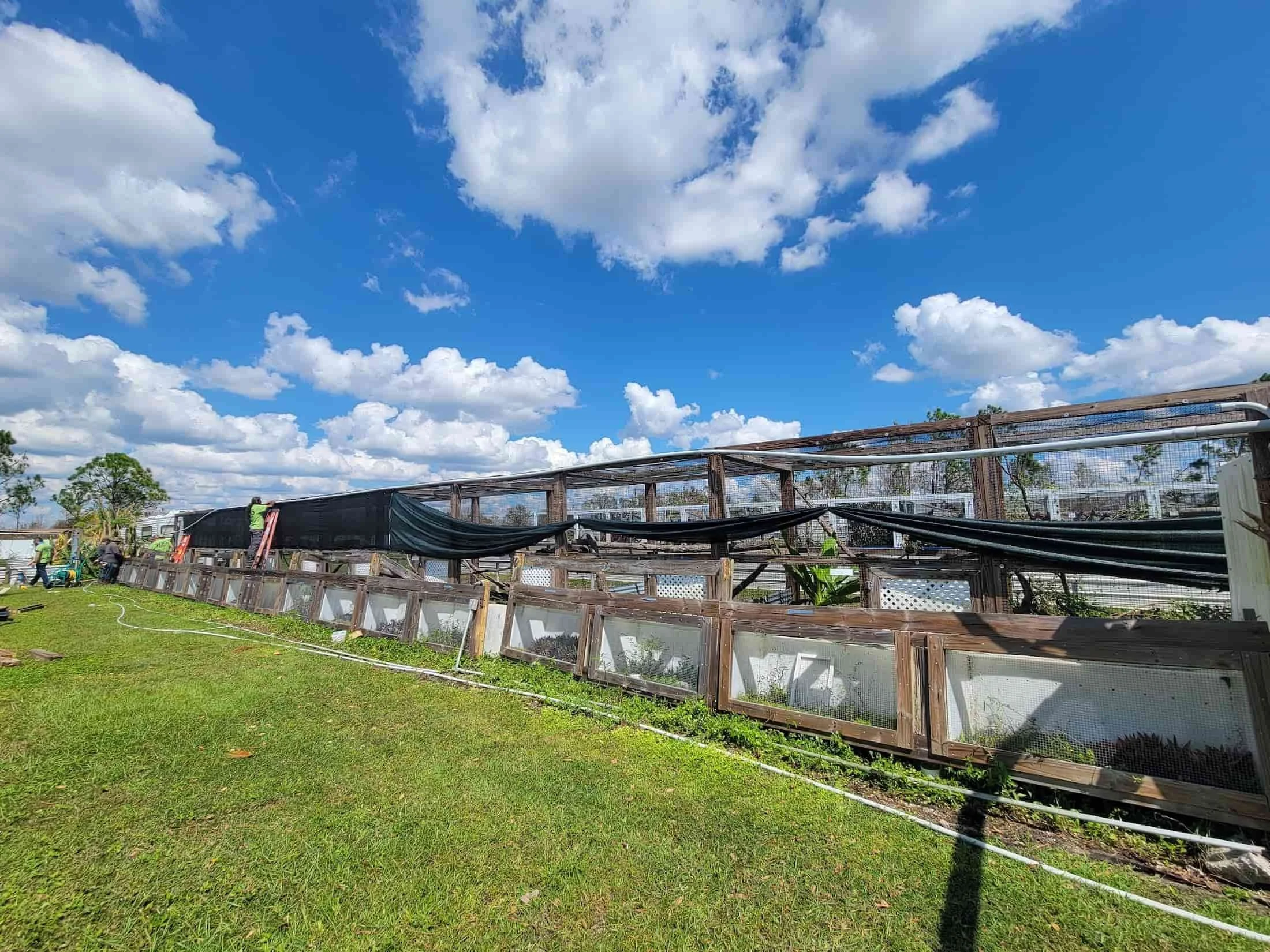
When disaster affects a zoological facility, our mission is to help restore the stability that conservation depends on. By coordinating resources, connecting partners, and supporting recovery, we help facilities refocus on their conservation goals: protecting wildlife, advancing science, and inspiring future generations.

Because Every Day Matters
Conservation does not follow a predictable timeline. Some breeding opportunities occur only once each year. Some research projects cannot simply be paused and resumed. Some endangered species have populations so small that every successful birth carries extraordinary significance.
Every day a facility spends recovering from disaster is another day those efforts face uncertainty.
By helping facilities recover more efficiently, ZDR3 helps protect far more than physical infrastructure. We help safeguard the people, animals, programs, and partnerships that drive conservation forward.
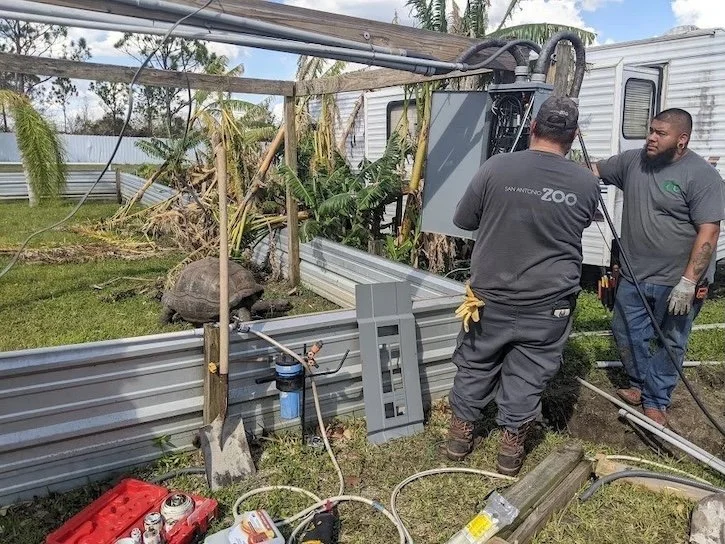
The responders' charming observer is an Aldabra tortoise, which is listed as vulnerable by the IUCN.
Investing in the Future of Wildlife
Every partnership strengthens resilience. Every sponsor expands our ability to respond. Every donation helps protect the extraordinary work underway in zoological facilities around the world.
When you support ZDR3, you are not simply helping a facility recover from disaster. You are helping preserve decades of conservation progress. You are standing beside the professionals who have dedicated their lives to protecting wildlife. You are helping ensure that threatened and endangered species continue to receive the care, research, and protection they deserve.
Disasters may last for days, but conservation takes generations.
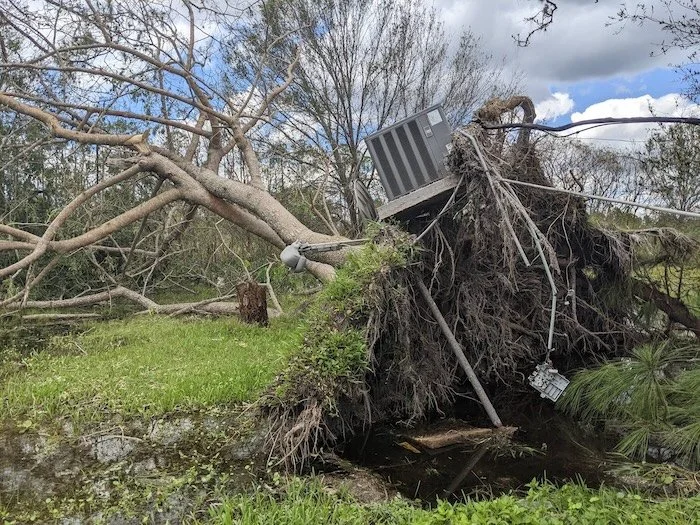
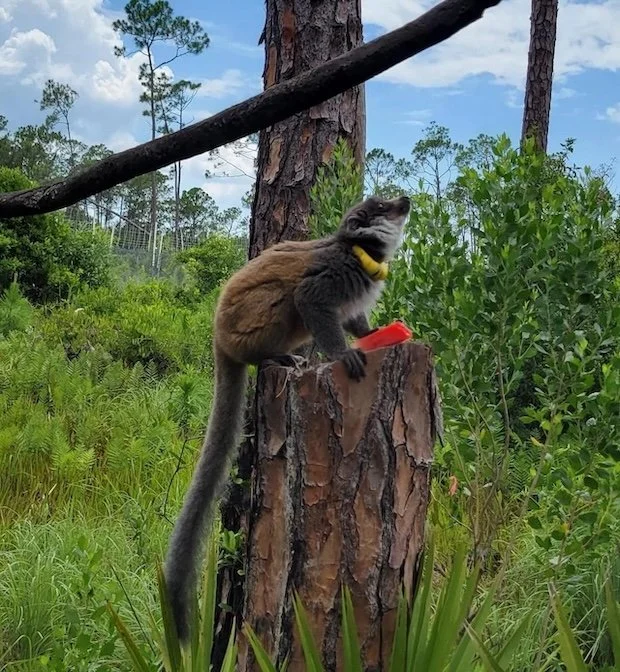

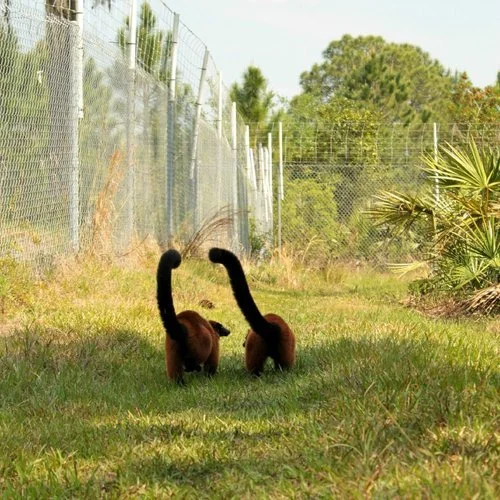
Mongoose lemurs are critically endangered and among the species involved in a conservation breeding program in a Florida facility
IUCN Tracked Species Supported by ZDR3: 2020–2025
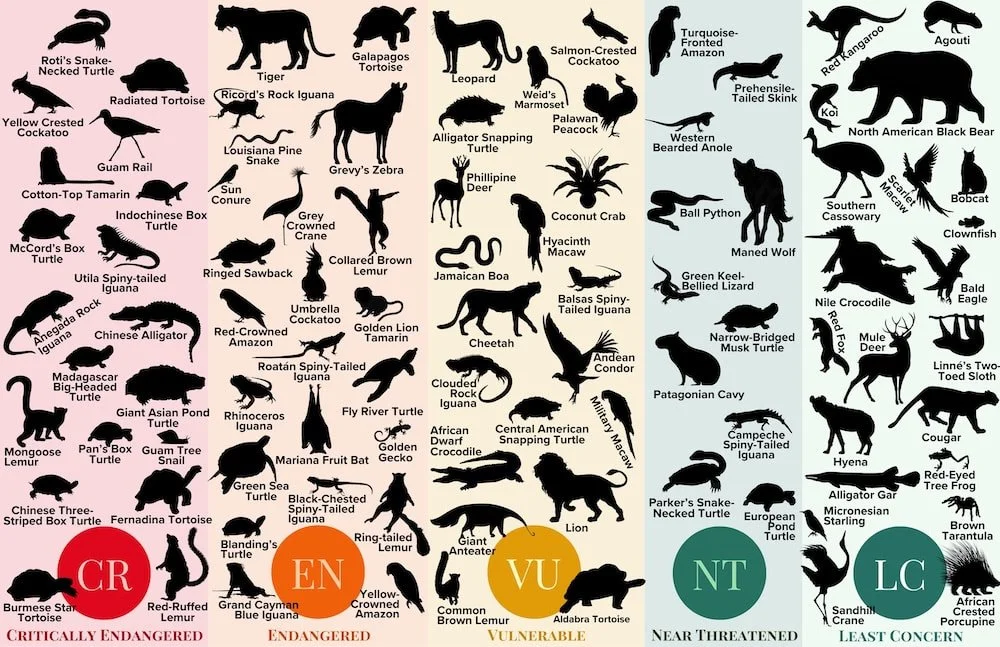
This graphic is not an exhaustive representation of species supported by ZDR3, nor does it include any domestic species/breeds that ZDR3 has assisted