Cold Weather & Ice Preparedness Considerations for Zoological Facilities
Winter weather can feel overwhelming, especially for facilities that do not regularly experience extreme cold, ice, or snow loads. Because so many southern zoological facilities are experiencing extraordinary circumstances, we asked some northern ZDR3 Network members who have managed severe winter conditions to share solutions they have found to help support staff safety, animal welfare, and continuity of care.
The following considerations reflect their collective experience. But please note: this guidance is intended to share general best practices and peer-based recommendations. Every facility, team, and situation is unique. Please consult your veterinarians, medical professionals, facility engineers, safety officers, and other appropriate subject-matter experts when making operational or health-related decisions. Always follow your organization’s established protocols and relevant regulations when applying any of the strategies outlined below.
Staff Safety & Wellness
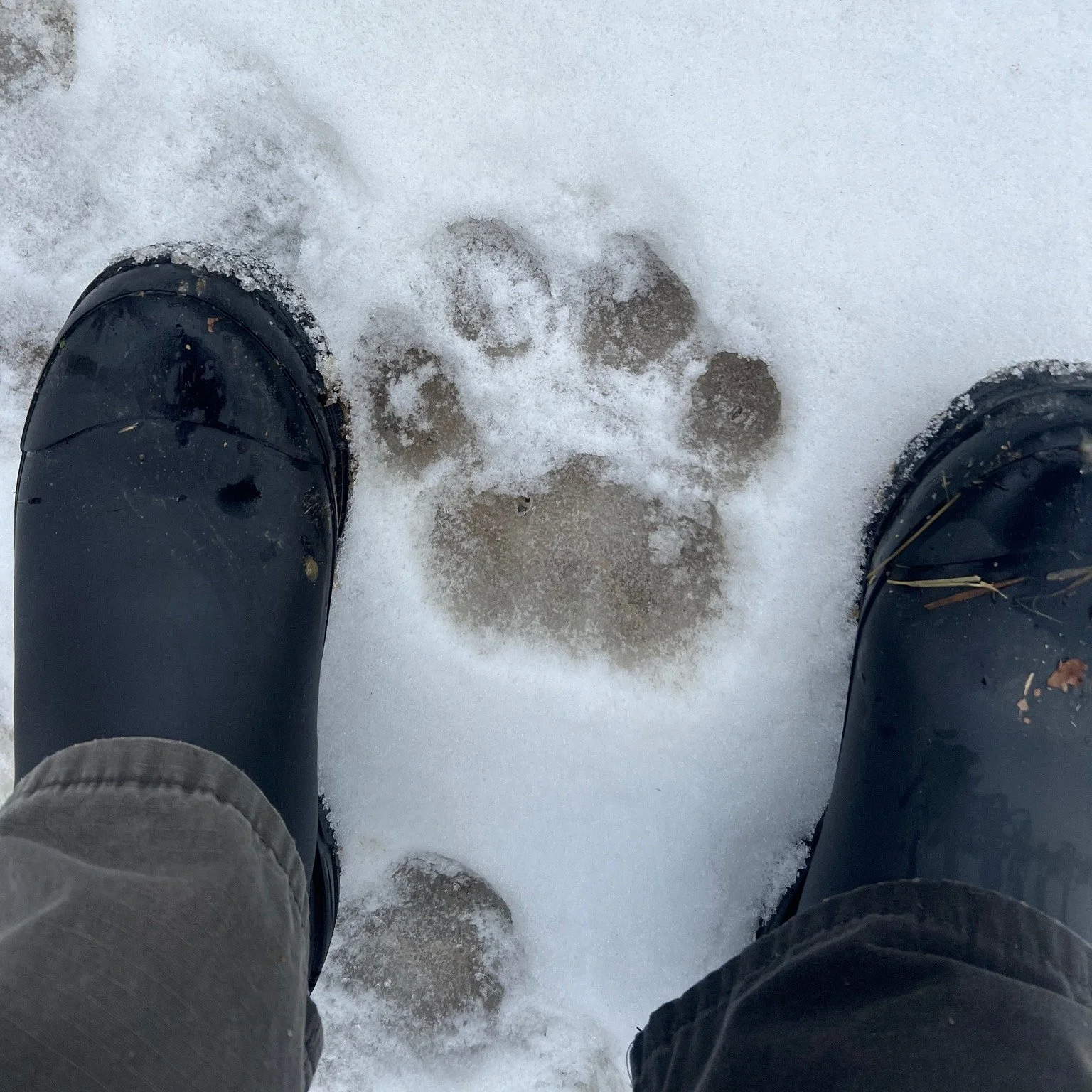
Staff safety is the foundation of every successful response. Cold injuries and fatigue can develop quickly, and prevention starts with preparation.
Dress in layers, but avoid tight clothing—warmth comes from air trapped between layers. Wear insulated boots, hats, and layered gloves whenever possible. If winter boots are not available, a simple tip is to place plastic grocery bags over socks before putting on shoes to trap warm air.
If your feet start getting cold, go inside immediately. Cold feet are an early warning sign. When warming up:
Remove wet or heavy layers
Warm your core first
Re-layer before returning outside
Hand warmers and toe warmers are extremely helpful, as are hot soups and hot drinks that warm the body from the inside.
If skin becomes painful or numb, do not shock it with hot water. Begin with tepid water and slowly increase the temperature. Ensure you understand the signs of hypothermia. Preventing Hypothermia | Winter Weather | CDC.
Plan for warm-up breaks every hour or less, especially during prolonged exposure. Work in pairs when possible, increase radio check-ins, and watch one another for signs of fatigue or cold stress. Morale matters—cold fatigue is real, and encouragement goes a long way.
Exertion & Physical Strain

Cold-weather work is physically demanding, especially when tasks involve snow shoveling, moving bedding, hauling feed, or breaking ice. Exertion injuries and cardiac strain are real risks in extreme cold. Working in the Cold | Cold Stress | CDC
Pace yourself and take frequent breaks during heavy physical activity.
Avoid overexertion when shoveling snow; use smaller loads and proper lifting posture.
Rotate tasks among staff to prevent fatigue and strain.
Stay hydrated, even in cold weather; dehydration increases the risk of injury.
Be alert for signs of overexertion:
Shortness of breath
Chest pain or pressure
Dizziness or nausea
Extreme fatigue
If any of these occur, stop immediately and seek medical attention.
Cold weather disguises how hard the body is working. Treat physical exertion in winter conditions with the same seriousness as heat stress in summer operations.
Walking & Ice Safety

Falls are one of the most common injuries during winter events.
“Walk like a penguin”: take short, flat-footed steps and shuffle when surfaces are icy. Keep your hands out of your pockets so you can brace yourself if you fall. Do not assume traction devices will always be available.
Use sand or pet-safe ice melt on walkways. Yak tracks or ice cleats greatly improve stability.
Snow can even be helpful; banking snow around building foundations can provide insulation and help retain heat.
Locks & Access

Padlocks can freeze in minutes. Always ensure they are fully closed. Carry de-icers, lighters, or hand torches to thaw frozen locks when needed and use the methodology that aligns with your facility’s policies and procedures. Many lock failures happen after thaw-and-refreeze cycles, so extra attention during those periods is critical.
Heating & Power
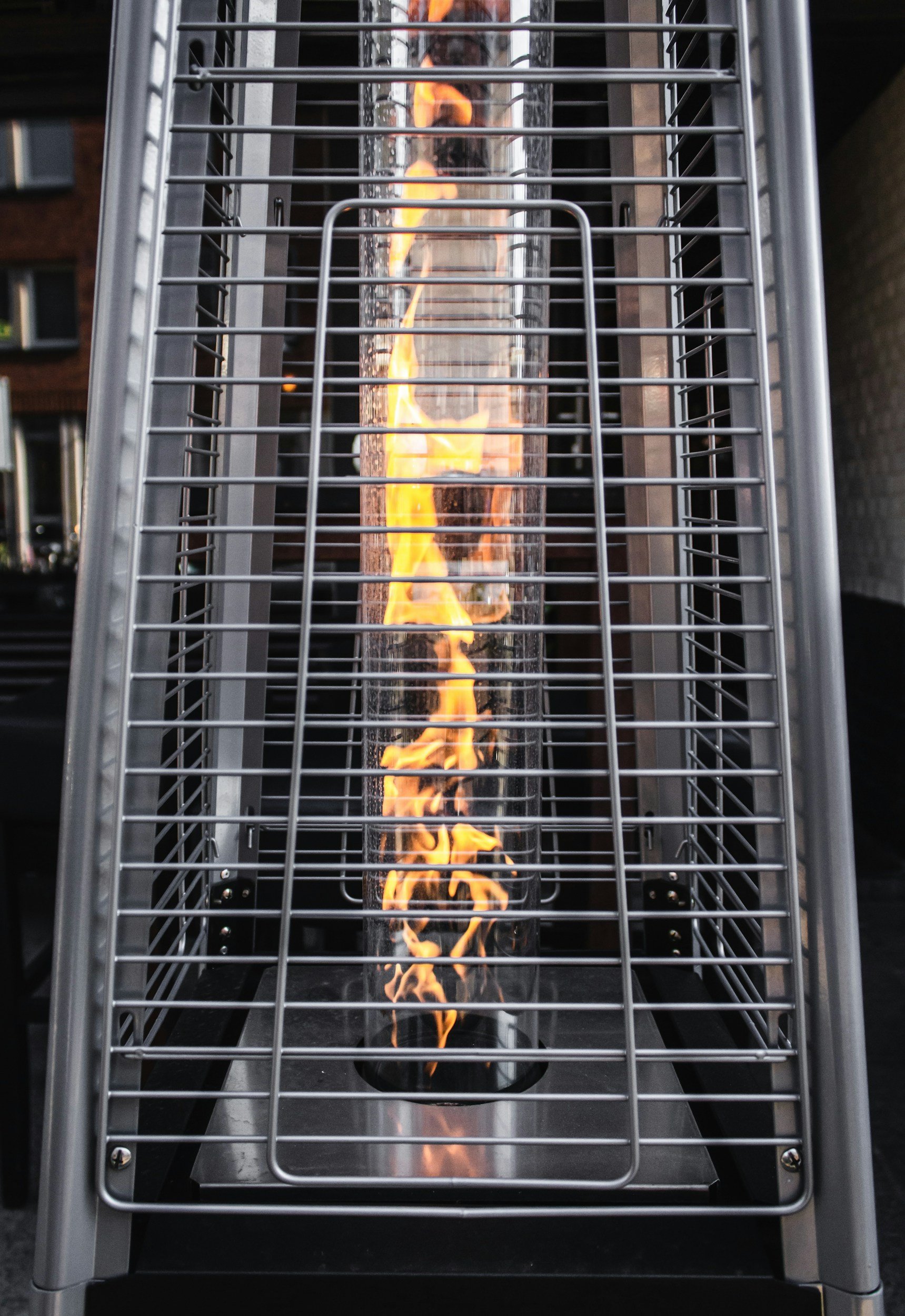
Install temperature alarms in animal buildings whenever possible. Maintain two heat sources (e.g., gas and electric) for redundancy.
Turn the thermostats up ahead of incoming storms to buy valuable response time. Keep space heaters on standby and set them about 15°F below normal building temperatures so they can maintain heat if the primary system fails.
Propane heaters can be effective, but they:
Produce damp heat
Can freeze doors in tight spaces
Require carbon monoxide monitors
Kerosene heaters are generally not recommended around animals.
Test and stage generators to efficiently support multiple buildings.
Animal Care & Welfare
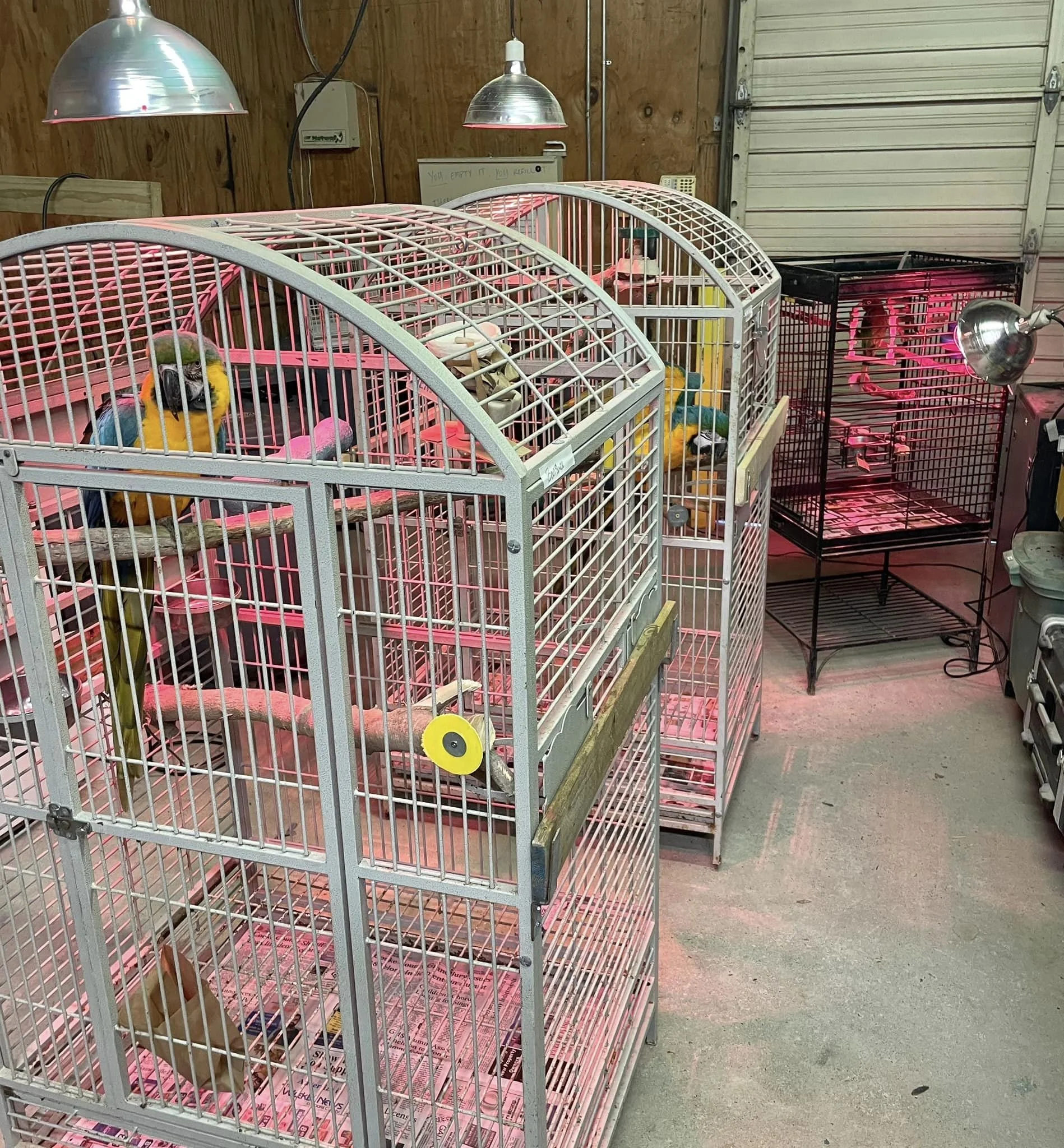
Cold stress increases caloric needs and comfort requirements.
Add bedding early, so it has time to warm. For example, 10–12 inches of hay or straw for large cats can make a major difference. Provide extra blankets for primates.
Increase diets to offset caloric loss, as recommended or approved by your nutritionist, vet, etc
Digestive heat helps animals maintain body temperature.
Move animals into centralized heated locations if conditions worsen. In emergencies, farm animals may temporarily be housed in human-use areas if it is safe and appropriate (e.g., barn areas).
Prepare transport crates and identify Plan-B housing locations with generator power.
Outdoor Hoofstock
Bed shelters heavily. If animals do not use shelters, create bedding piles outdoors.
Block drafts and wind:
Use tarps on barn doors that do not seal well
Face shelters east or south when possible
Provide fresh water at least twice daily. Fill pans partially so ice is easier to remove and replace.
Fences & Trees

Heavy ice loads on trees can cause catastrophic failures of fences. Knock ice from branches overhanging fence lines. It is far better to lose a few branches than to have an entire tree fall into a habitat.
Facility Readiness
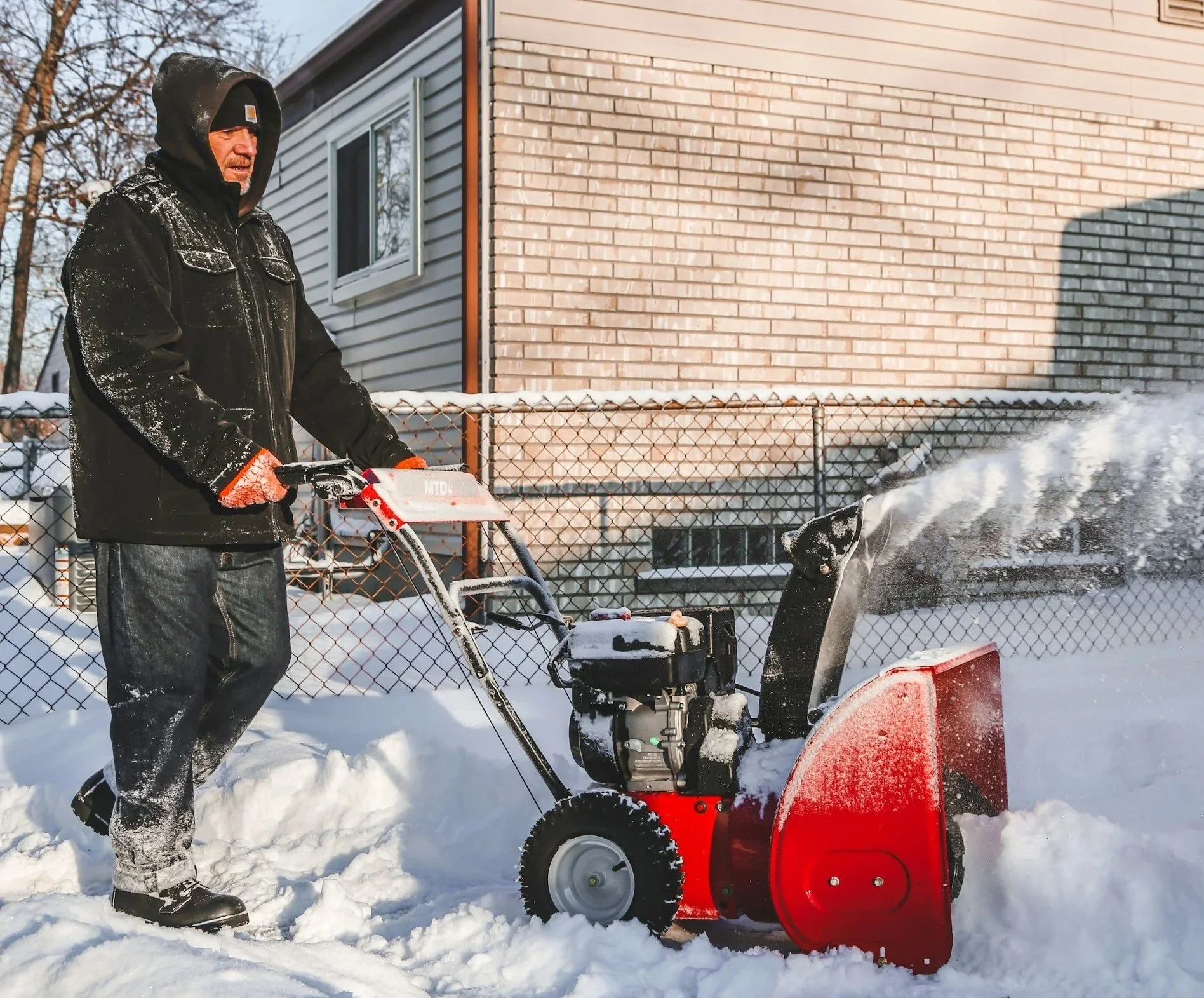
Check and test:
Generators
Vehicles
Snow blowers
Maintain 2–3 days of fuel reserves.
Be sure to stock:
Ice melt and salt (store inside)
Shovels
At least a 5-day supply of animal diets
Pre-portion, label diets, and store them near housing areas. This allows onsite teams to maintain feeding routines even with staffing shortages.
Plan ahead for snow-load removal from habitat roofs and structures.
Plumbing Protection

Leave faucets on a slow trickle to prevent freezing. Open cabinets under sinks to allow warm air circulation. Keep the heat on wherever possible.
Driving Safety & Vehicle Preparedness
Drive slowly and leave 2–3 car lengths between vehicles. If you begin sliding, steer into the slide.
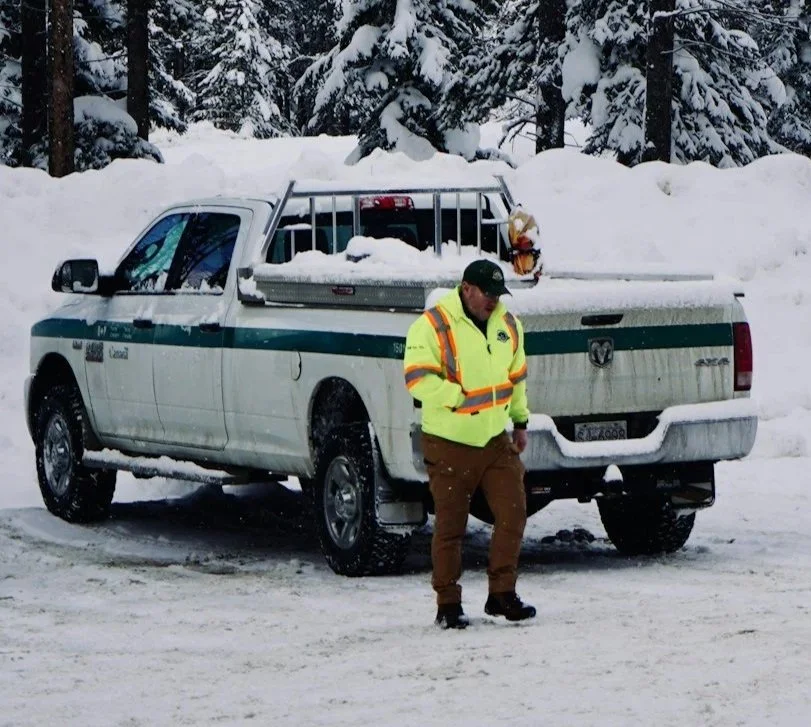
Vehicles with AWD or FWD are preferred. Trucks should carry weight in the bed for added traction. Keep gas tanks full to prevent frozen fuel lines. Carry cat litter or sand to regain traction if stuck.
Vehicle Emergency Kit Should Include:
Blankets or a sleeping bag
Food and water
Extra shoes, socks, gloves, and hats
Flashlight
Phone charger
If stranded, stay with your vehicle.
Supply Chain & Logistics

Extend stocking timelines to at least 72 hours in advance. Specialty diets may require even longer lead times. Expect delays during major winter events and plan accordingly.
Final Thought
Extreme cold challenges infrastructure, animal care systems, and human endurance. Preparation, early action, and caring for one another are what carry facilities through. These conditions are temporary, and with steady planning, peer support, and teamwork, safety and welfare can be maintained even in the harshest weather.
If you need guidance, peer connection, or operational support, contact responsesupport@zdr3.org.
Your collective experience and willingness to support peers during challenging conditions make a meaningful difference in protecting staff safety, animal welfare, and operational stability across the field.
Thanks to Our Contributors
ZDR3 extends sincere appreciation to the professionals who generously shared their experience, insight, and practical guidance to support facilities preparing for extreme winter conditions. Their willingness to contribute real-world knowledge strengthens the entire zoological community and reflects the true spirit of collaboration that defines our network.
We would like to thank:
Betsey Brewer, Zoological Director, Southwick’s Zoo, MA
Kathy Diekman, Director, Chahinkapa Zoo, ND
Terry Lincoln, Director, Dakota Zoo, ND
Jordan Patch, Owner, Animal Adventure Park, NY
Tim Sampson, Curator, John Ball Zoo, MI
Tom Schmaltz, Retired Curator, Chahinkapa Zoo, ND
Additional thanks to Animal Park at the Conservators Center and Frank Buck Zoo for contributing photos.