The Hurricane Isaias Response Demonstrated the Value of Caring and Collaboration
From preparedness to recovery, Hurricane Isaias showed what is possible when zoological facilities have relationships, resources, and people they can count on.
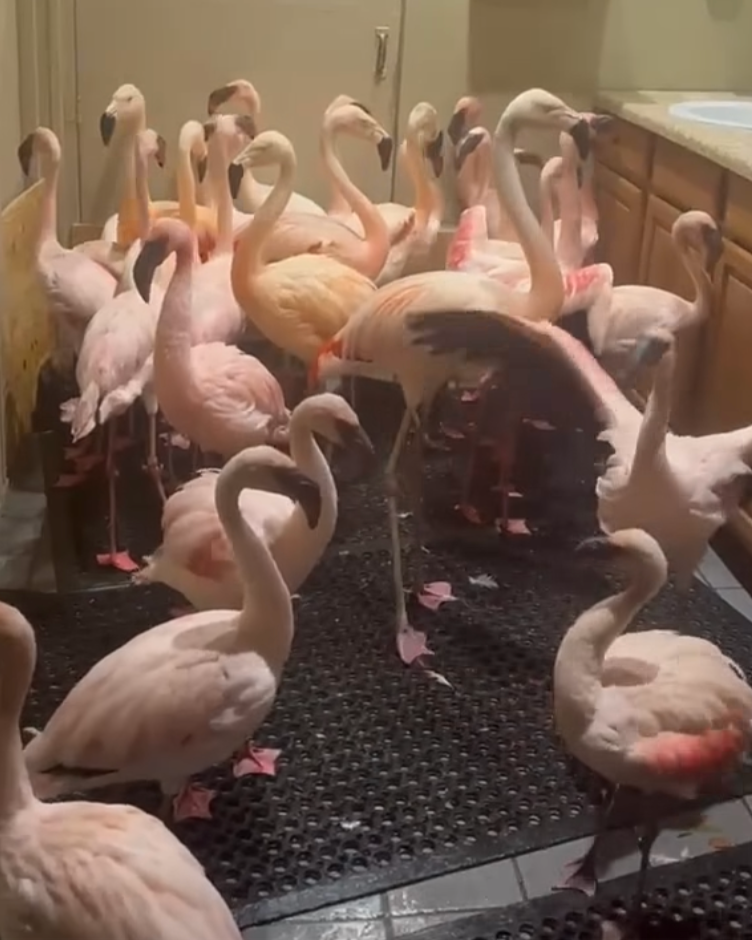
Flamingos sheltered in a restroom during the storm at ZooWorld Panama City Beach. Screenshot from video, courtesy of ZooWorld.
One of the ZDR3 Network's greatest strengths is that we build the relationships we depend on during disasters long before an incident occurs. Facilities know one another. They understand the challenges of caring for animals during severe weather, the importance of maintaining daily operations, and how quickly even a well-prepared organization can find itself needing additional resources.
As Hurricane Isaias approached the Gulf Coast, zoological facilities across the region prepared for what could be a difficult few days. Staff needed to secure animals, protect facilities, determine when and if they should close, and decide how to keep everyone safe while preparing for the uncertainty of what might come next.
For ZDR3, the work started well before Hurricane Isaias made landfall, including:
tracking the storm and identifying which zoological facilities might be impacted.
touching base with 20 zoological facilities in the potentially impacted region, letting them know we were available for consultation about their contingency plan, and explaining how to request assistance, if needed.
providing 33 ZDR3 Network response teams with daily situational updates of our response activities so they were alert and ready should they be needed.
placing 2 ZDR3 Network response teams on general standby.
Hurricanes rarely affect just one facility, and recovery needs are not the same from one organization to the next. One zoo may be managing fallen trees and damaged fencing. Another may need assistance with animal care, transportation, equipment, or supplies. A smaller organization may have limited personnel available because its staff is also dealing with damage to their own homes and communities. That is why network collaboration is so important.
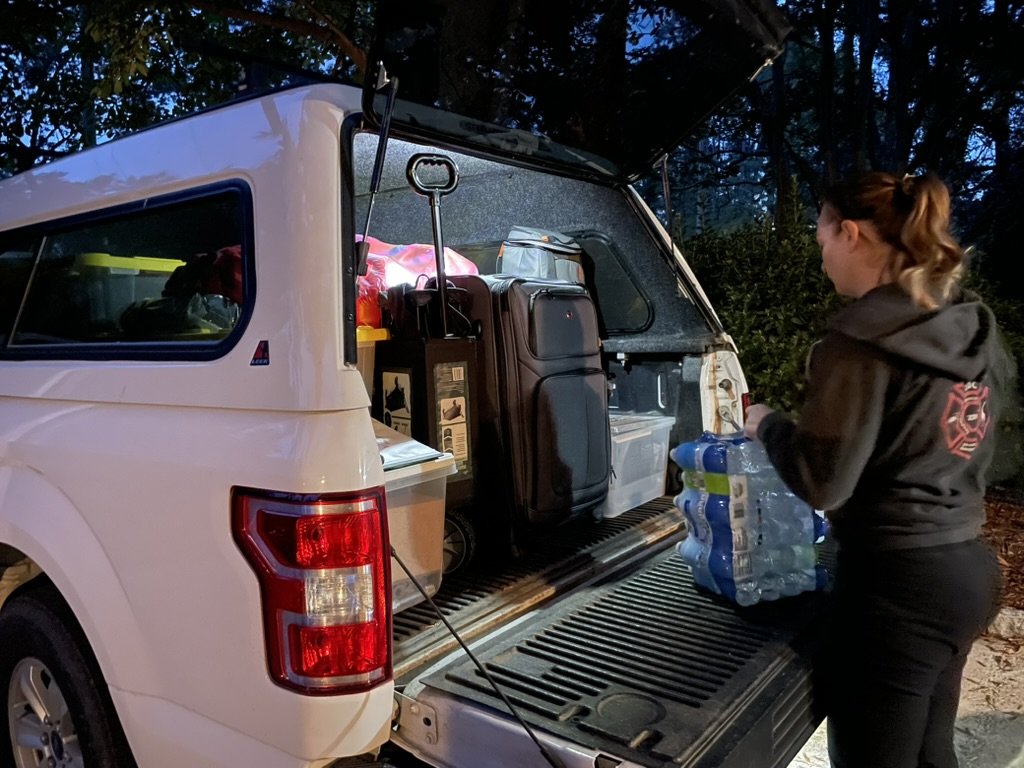
ZDR3 Executive Director, Julia Wilder, loading our East Coast deployment truck before sunrise to pre-position before the storm made landfall.
After Hurricane Isaias made landfall, two zoos in the Florida Panhandle—ZooWorld Panama City Beach and Gulf Breeze Zoo—stepped up to assist their neighbors. We were in touch with both before, during, and after the storm, helping ensure that support could be coordinated as needs emerged across the region.
Before the storm made landfall, two ZDR3 personnel pre-positioned in Alabama, outside the forecast impact zone. That allowed them to more quickly respond to requests for assistance. After the storm moved on, our team ultimately headed to the Florida Panhandle, where we had offers for lodging and an incident command base from both ZooWorld Panama City Beach and Gulf Breeze Zoo.
A Rehabilitation Facility Requests Assistance
Recovery does not follow a schedule. Needs can emerge days after the worst weather passes, and facilities that initially seem to have weathered the storm may face new challenges as they assess damage.
As the initial response to Hurricane Isaias progressed, the ZDR3 personnel were returning to their base in NC when they received a call for assistance from Emerald Coast Wildlife Refuge (ECWR) a wildlife rehabilitation facility in the Florida Panhandle that had just learned about the ZDR3 Network. A member of the ECWR communications team alerted her leadership to the possibility for support–highlighting the critical role communications professionals often play in response efforts. As soon as we received the call, our team rerouted.
We gratefully accepted Gulf Breeze Zoo’s offer to provide lodging and an incident command base due to their proximity to the impacted facility.
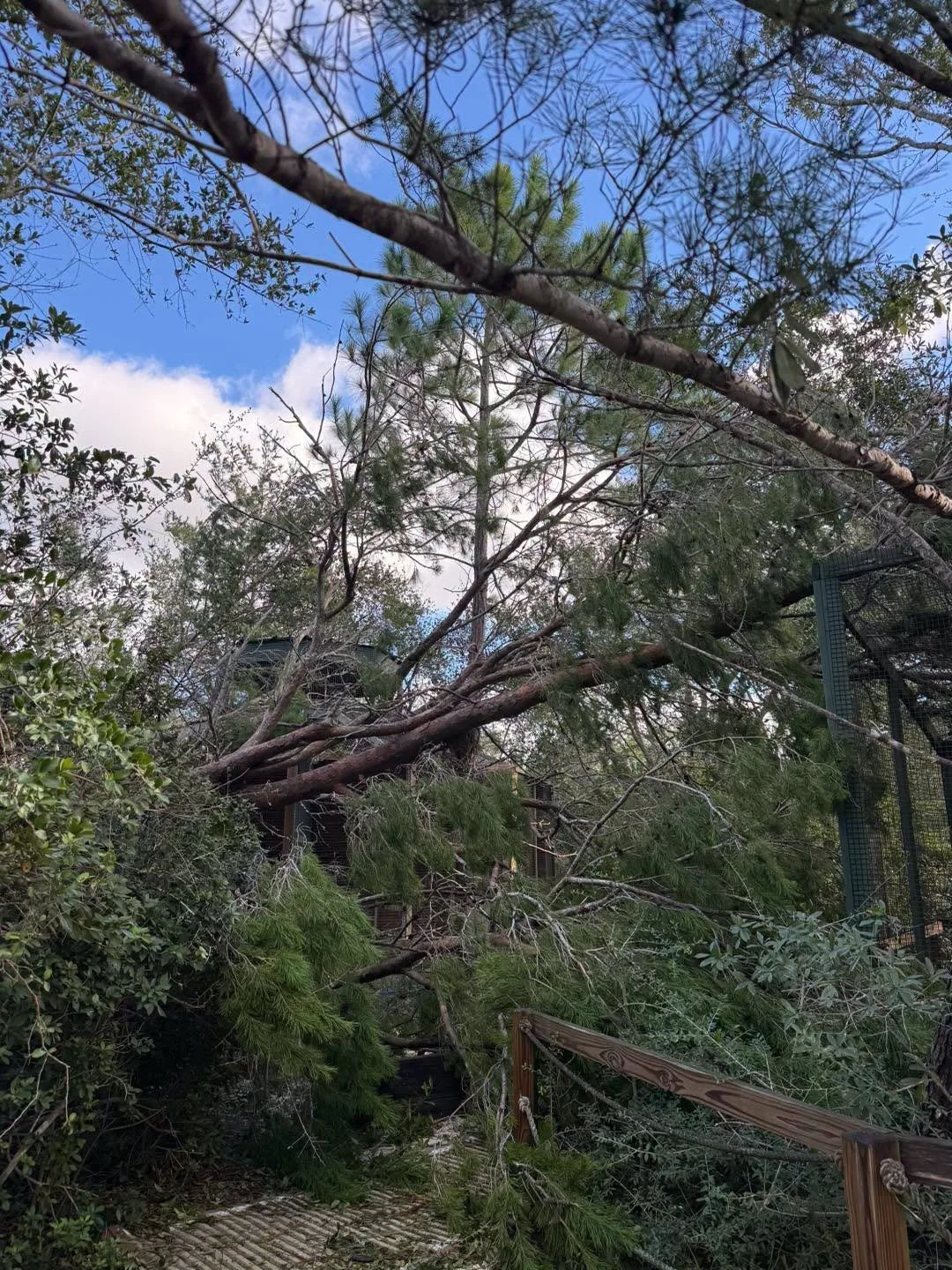
Downed trees damaged animal habitats. The animals were relocated before the storm. Photo courtesy of Emerald Coast Wildlife Refuge.
For a wildlife rehabilitation facility, a hurricane's consequences can extend beyond the property itself. Storms can displace and injure wildlife, increasing the need for specialized care just as a rehabilitation organization may be dealing with its own damage and disruption.
At ECWR, one of the most urgent concerns was the loss of power to refrigerators and freezers holding food for the animals.
Time was running out. Losing that food would mean more than spoiled supplies. For animals with specialized diets, some of it could be challenging to replace, especially in a community already struggling with the aftermath of a hurricane. With the costs of the storm mounting, the additional cost of replacing those supplies would be difficult. Additionally challenging – there is already a tremendous amount of work to tackle in the aftermath of a storm – restocking specialty food items in large quantities is an incredible use of time and energy that ECWR would struggle to spare.
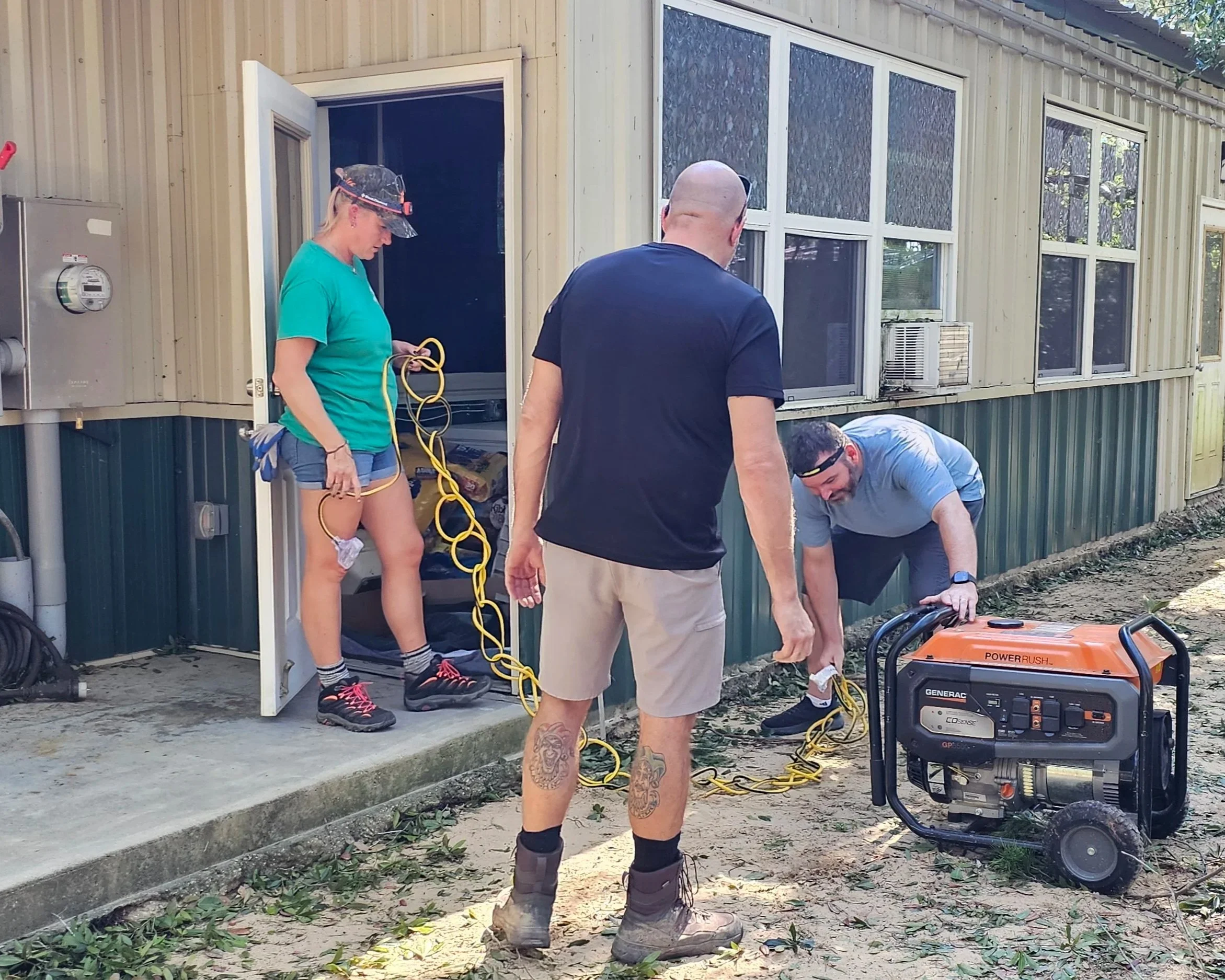
With the assistance of responders from ZooWorld, ZDR3 moved quickly to acquire and connect generators, and with a commitment to identify additional resources as needed. Responders worked alongside ECWR personnel, and assisted with integrating additional generator resources that arrived later in the afternoon, generously donated by a rehabilitation response rescue network.
Before ZDR3 demobilized, our personnel connected the rehab facility with local zoological facilities that could provide ongoing support and long-term collaboration, and with subject matter experts to assist with challenges specific to wildlife rehabilitation recovery.
Supporting Emerald Coast Wildlife Refuge meant helping protect an important service for wildlife and the surrounding community. While ECWR has been receiving incredible volunteer support from the local community and fellow wildlife rehabilitators, the financial toll of this event means that monetary and in-kind contribution support are essential. You can provide support to ECWR as they recover from Hurricane Isaias.
This mission also reflected something larger than any single facility's needs. With ZooWorld providing on-site support and Gulf Breeze Zoo assisting with lodging and logistics, ZDR3 drew on relationships built long before Hurricane Isaias arrived. Each organization contributed in a different way, and together, they helped make the response possible.
There is Always Work Behind the Response
When people think about disaster response, they typically picture the most visible activities: removing debris, transporting animals, delivering supplies, or repairing damaged infrastructure.
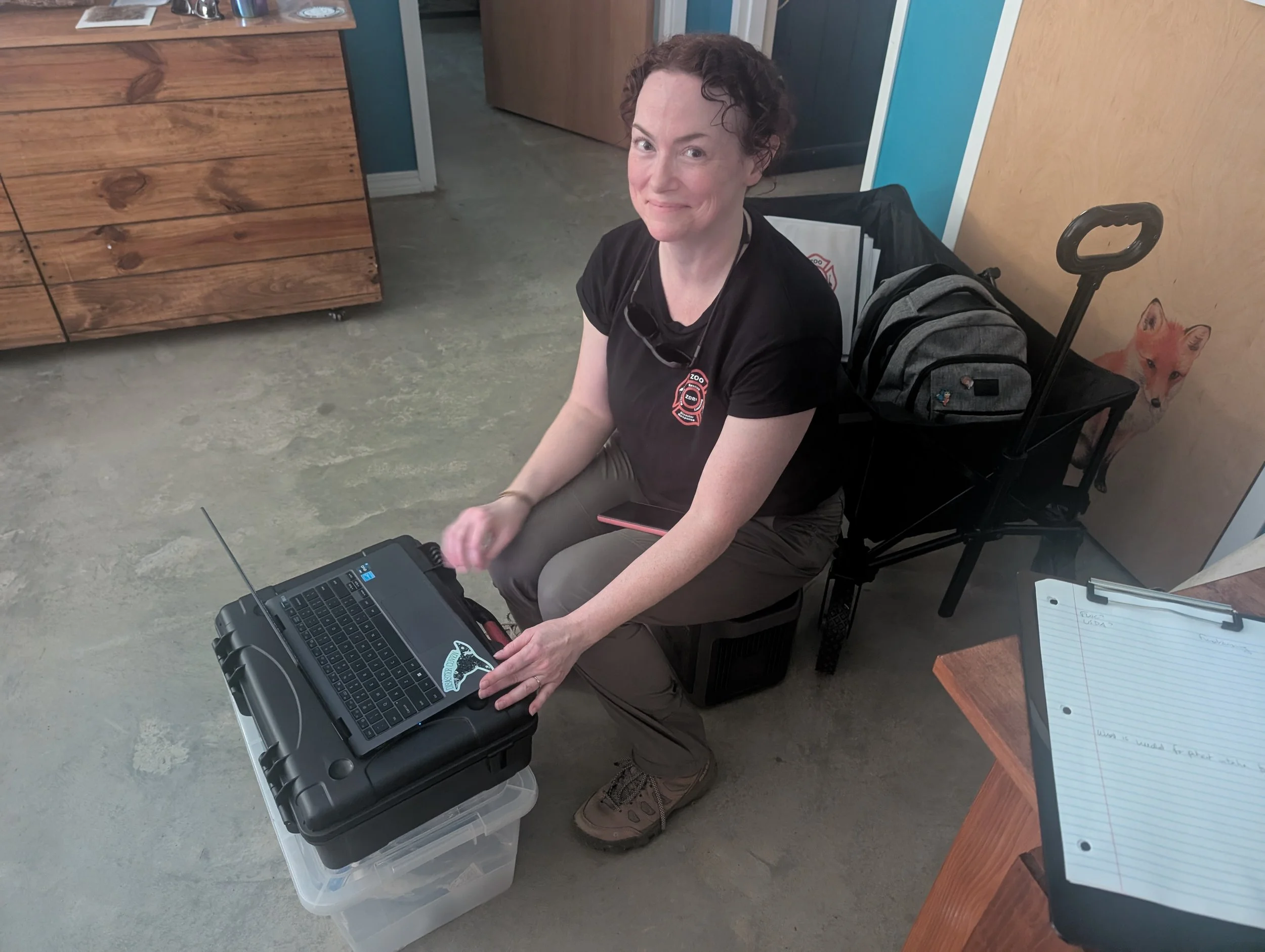
ZDR3 Logistics Manager Melanie Messer takes battery packs, satellite phones, and satellite internet with her on deployment to ensure she can work when there is no power available.
But another side of the work is just as important. Someone has to coordinate personnel, arrange lodging, identify resources, maintain communication, and keep track of what facilities need as recovery progresses. ZDR3 is fortunate to receive support that allows us to have enough dedicated personnel that while we have a team deployed, we also have team members who stay outside of the impacted zone to provide the coordination essential to response success.
This is the foundation of ZDR3: bringing people, facilities, and resources together to support one another. In addition to the other 31 response teams that were on alert, two highly experienced ZDR3 Network teams were on prolonged standby: Big Cat Habitat and San Antonio Zoo.
Not every organization needs to send a response team to make a difference. Offering equipment, personnel, facilities, local knowledge, logistical support, or simply being available when a neighbor calls has tremendous value. No two facilities have the same resources or capabilities. But when shared, the entire community becomes stronger.
When the Storm Clears
We know how much these facilities mean to the people who work in them and to the communities that surround them. Getting a zoo, aquarium, sanctuary, or wildlife care facility back to its normal routines is about more than reopening gates or completing repairs. In many ways, it's restoring a place where people work, learn, connect with animals, and find something familiar after a difficult experience.
Throughout the response, we saw dedicated staff protecting the animals in their care, sister facilities stepping forward to help, network participants sharing their capabilities, and longtime relationships making it easier to get assistance where it was needed.
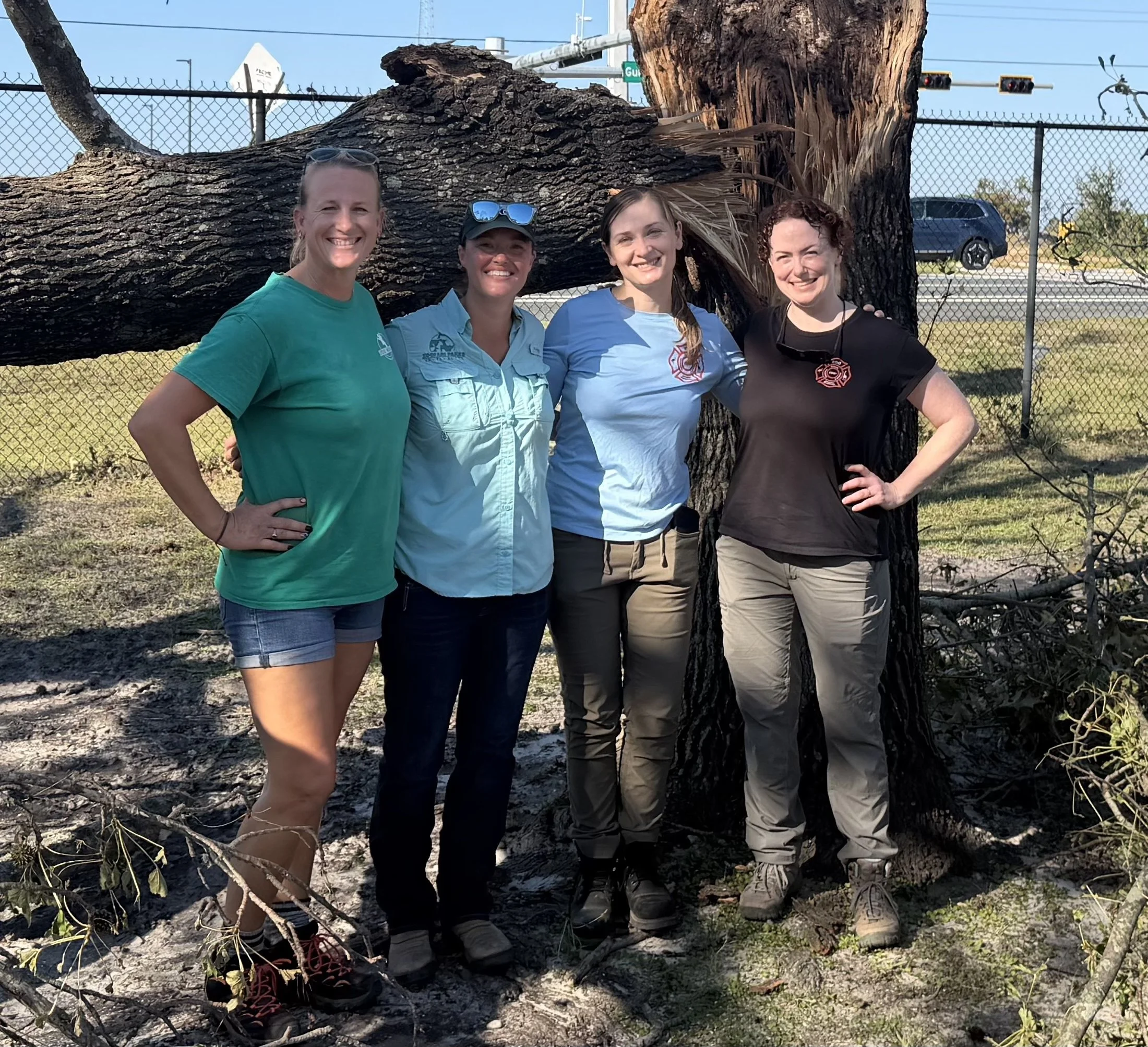
ZDR3 Network responders (l to r): Erika Newell, Crew Lead for the ZooWorld response team; Jamie McMaster, Chief Operating Officer, Zoofari Parks (Gulf Breeze Zoo’s parent company); Julia Wilder, Executive Director, ZDR3; and Melanie Messer, Logistics Manager, ZDR3.
For ZDR3, that is what collaboration looks like. It is not a list of organizations working together. It is the trust that develops over time, the willingness to share what we have, and the understanding that when one facility is facing a difficult situation, others will be there to help. The real strength of a network isn't just what any one member can do; it is what becomes possible when we show up for one another.
We are stronger together.
Here’s how you can support Emerald Coast Wildlife Refuge during their recovery.