When There Is No Road Out: Zoological Facilities on Islands Face Unique Challenges Preparing for Disasters
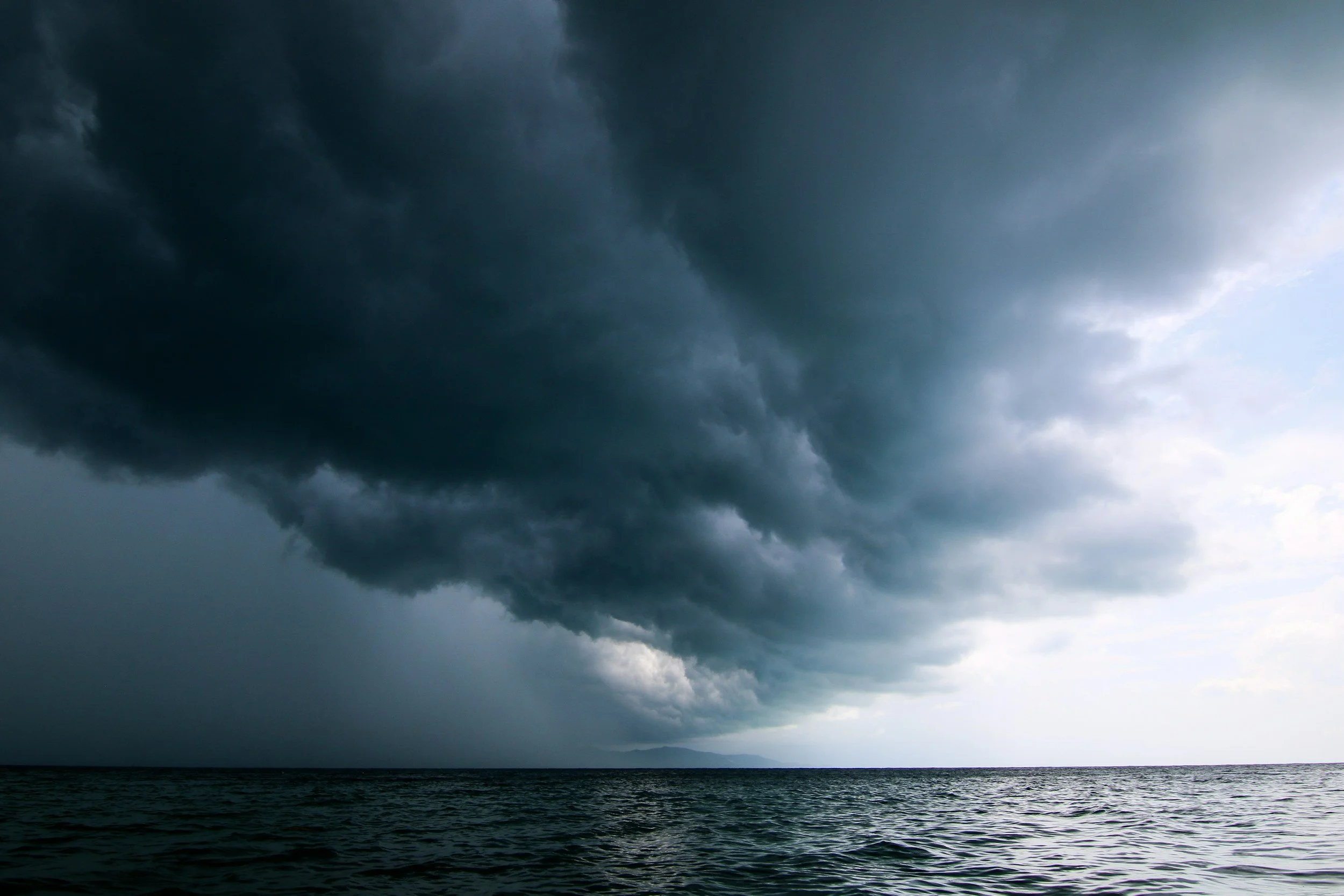
When disaster threatens most communities, there is an unspoken assumption: help is coming!
Fire engines can arrive from neighboring jurisdictions. Utility crews can cross county lines. Trucks carrying fuel, food, and emergency supplies can travel highways long after the first warnings are issued. Additional personnel can be mobilized, mutual aid agreements activated, and resources redirected where they are needed most.
On an island, many of those assumptions become challenged.
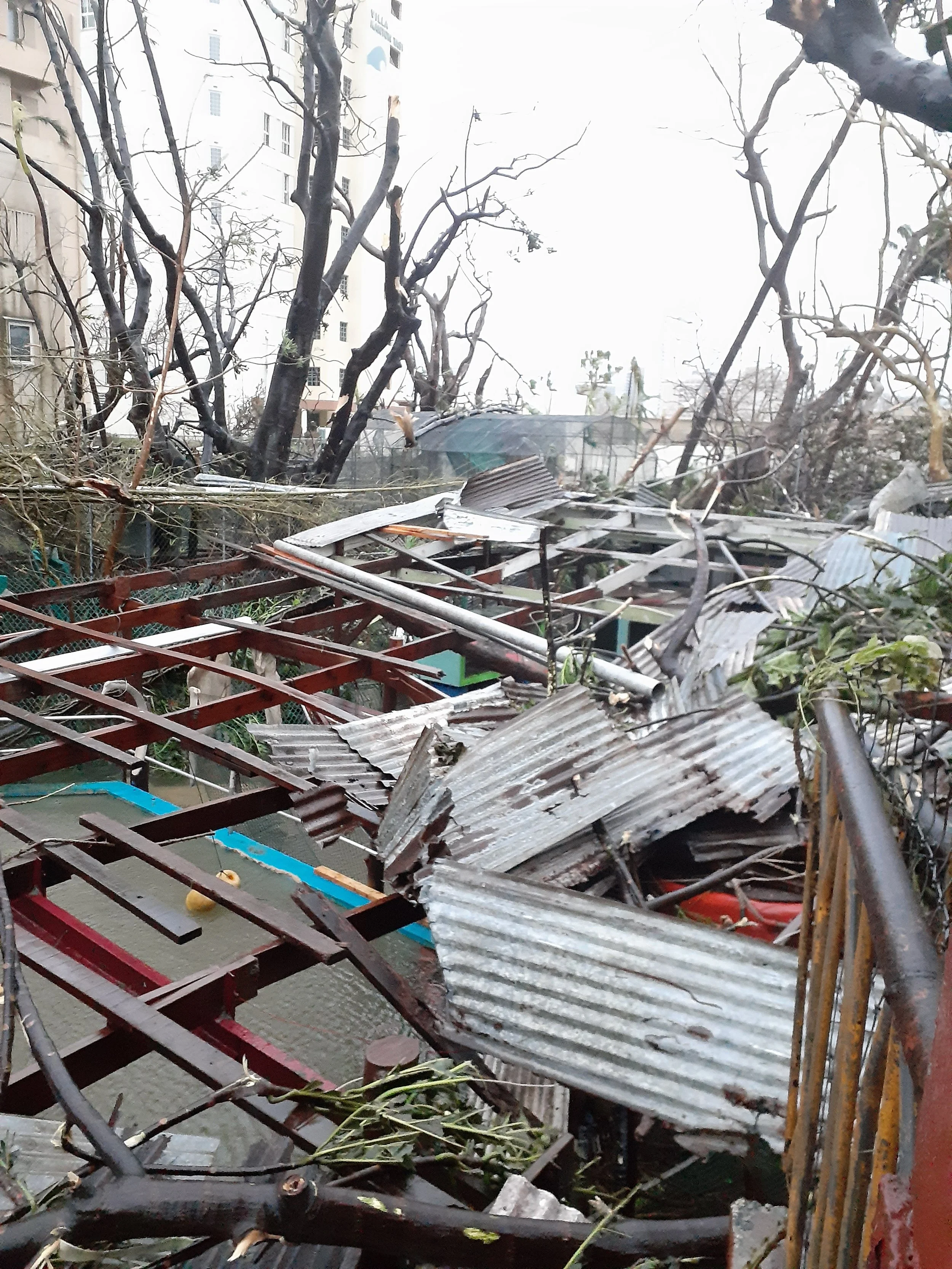
Typhoon Mawar was a Category 4 storm when it damaged Guam Zoo in 2023. Thanks to the owners’ preparations, they and their animals safely rode out the storm, but the typhoon left the zoo littered with downed trees, broken fencing, splintered lumber, and other rubble.
When every road ends at the shoreline, distance is measured differently. The ocean that sustains island communities can also become their greatest barrier during an emergency. As winds strengthen, bridges may close, seas become impassable, airports suspend operations, and ports shut down. Whether an island sits just offshore or hundreds of miles from the mainland, it can become completely isolated in a matter of hours.
That reality changes how emergency preparedness must be considered.
For zoological facilities, the challenge extends well beyond protecting buildings and infrastructure. Animal care continues regardless of the weather. Life support systems must remain operational. Veterinary care cannot be postponed. Specialized diets, medications, fuel, and critical supplies may become difficult, or even impossible, to replace until transportation routes reopen.
At the same time, the people responsible for caring for those animals face their own difficult decisions. They are professionals, but they are also parents, spouses, children, neighbors, and members of the communities being affected. Many prepare not only their facilities but also their own homes and families before reporting for work, knowing they may remain on-site for days while others shelter in place.
There is no guarantee that additional staff can arrive.
There is no certainty that replacement equipment will be available.
There is no option to simply drive somewhere else.
Preparedness is Different on an Island
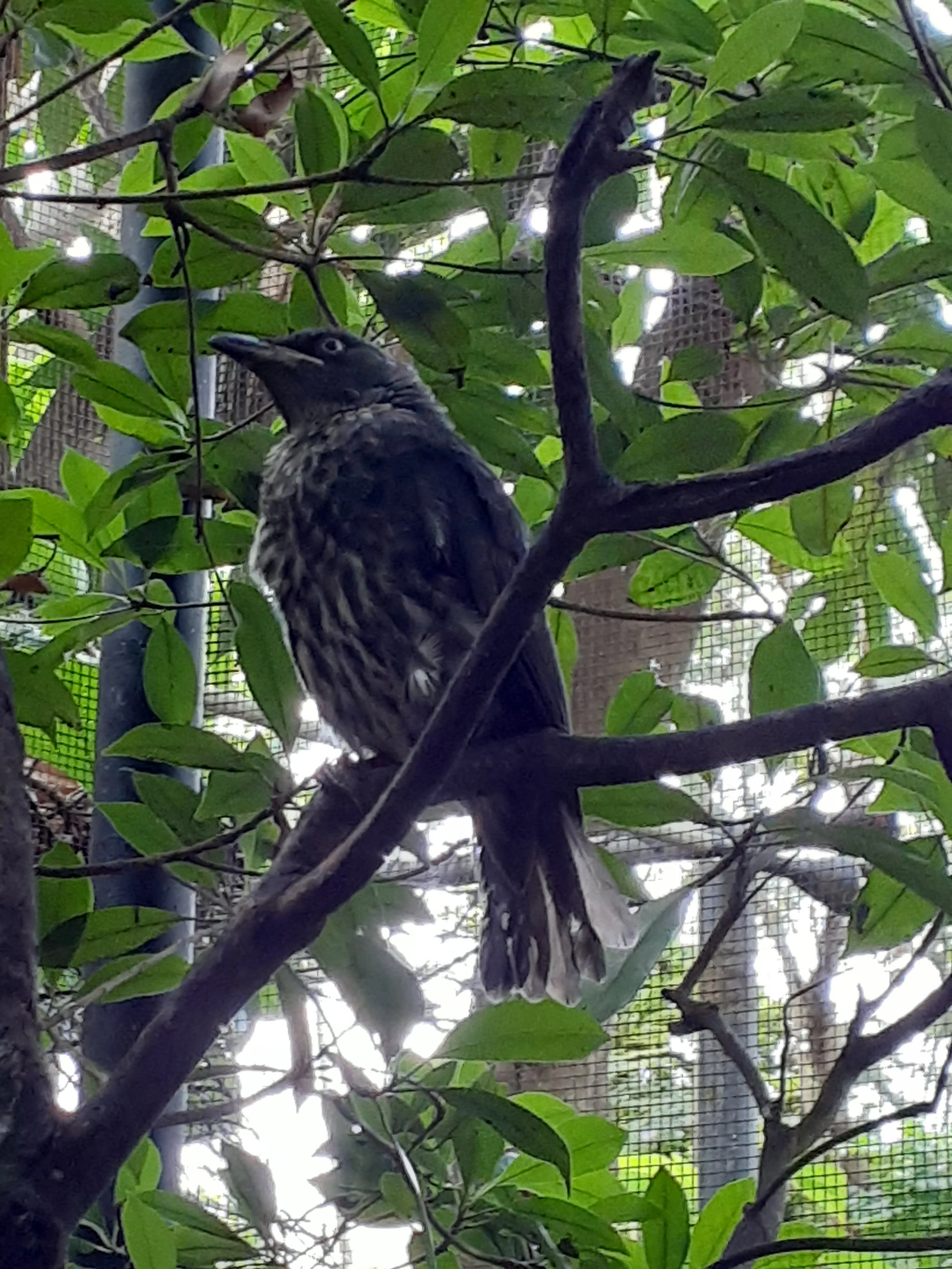
Island zoological facilities often home to species that are endemic to the island or immediate region, such as this Micronesia starling that arrived at Guam Zoo after losing a leg; it cannot be released in the wild because it would not survive
So, preparedness becomes more than a plan on a shelf. It becomes a commitment to self-reliance for potentially prolonged periods of time, thoughtful decision-making, and resilience built long before the forecast begins to change.
Facilities located on islands understand this reality well. Those lessons extend far beyond island communities. Every organization can ask the same question:
If help couldn't reach us today, could we subsist? What about tomorrow? The next day?
The answer isn't simply about geography.
Whether your facility sits on an island, along the coast, or hundreds of miles inland, emergencies rarely unfold exactly as planned. Roads close. Supply chains fail. Communications break down. Resources become scarce.
Organizations that prepare for those realities before they occur are the ones best positioned to protect people, support animal welfare, and continue their mission under extraordinary circumstances.
Because preparedness is never defined by how quickly help arrives. It's defined by what you're able to do until it does.
Our hearts go out to our colleagues in remote and challenging locations who have been impacted by disaster.
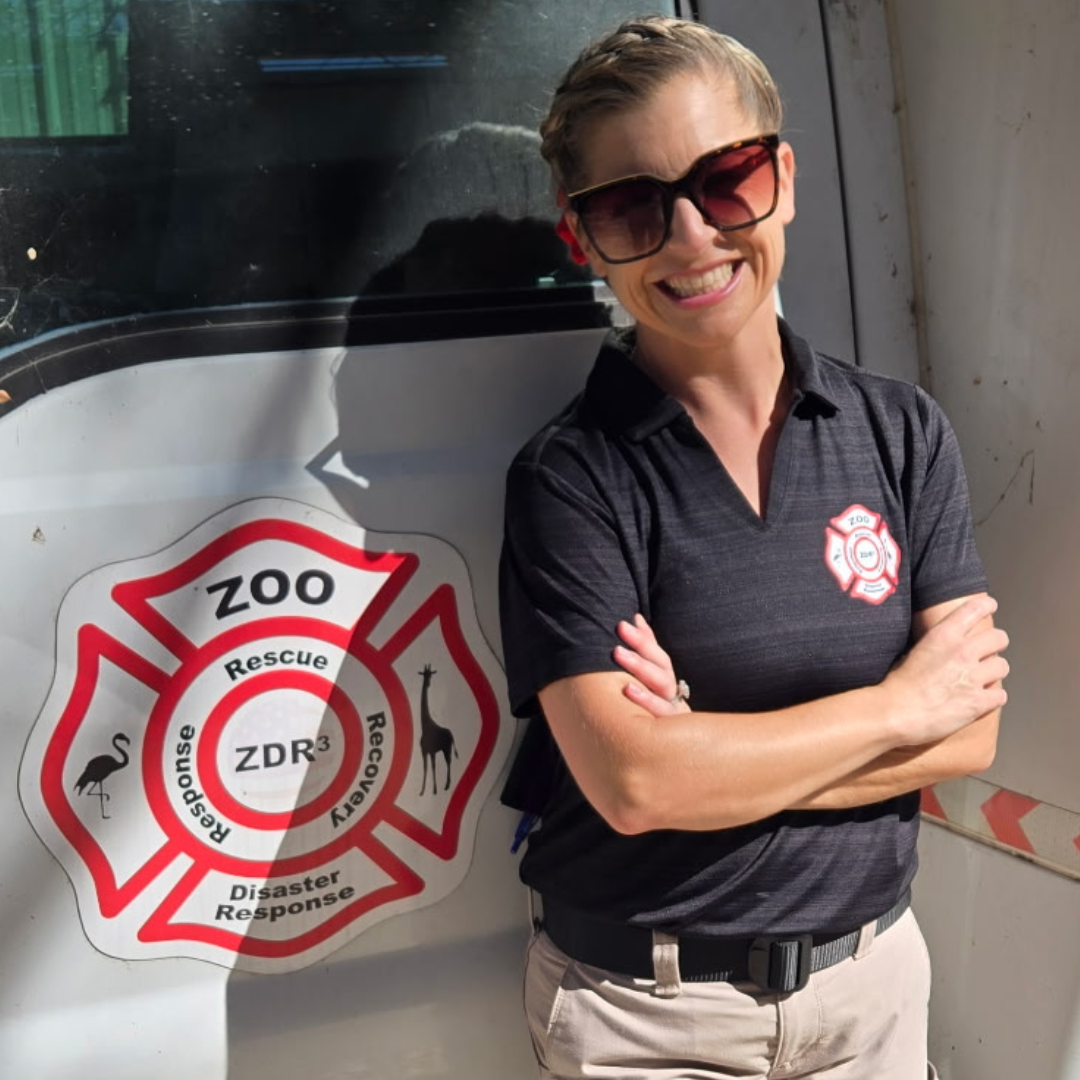
ZDR3 has engaged in two island-based responses since 2023 (one on scene and one remote), and we learned firsthand how impactful it is for our colleagues in far-flung locations to receive support from those of us in more accessible locations with greater access to resources.
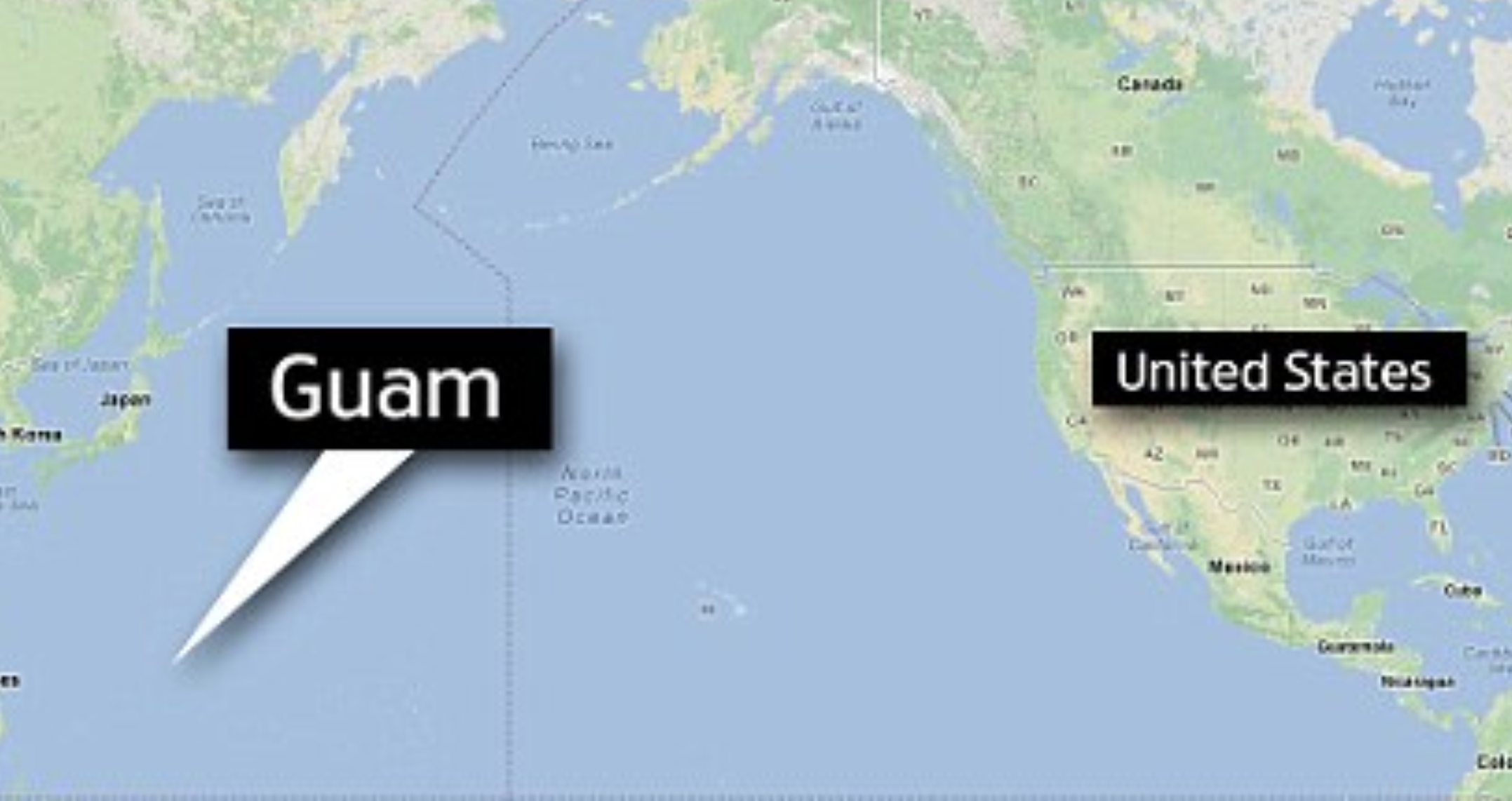
Because Guam is a US territory, a ZDR3 Network responder flew thousands of miles to provide assistance after the Guam Zoo was damaged in 2023.
Need Help Developing a Contingency Plan?
Whether your facility is within US territory located on an island, or the mainland, ZDR3 is happy to assist you with planning and preparedness needs. Contact admin@zdr3.org.
We are Stronger Together