
Winter 2025-2026 was record-breaking for many zoological facilities across the U.S. It was certainly the most active winter storm season ZDR3 experienced since we were formed in 2019.
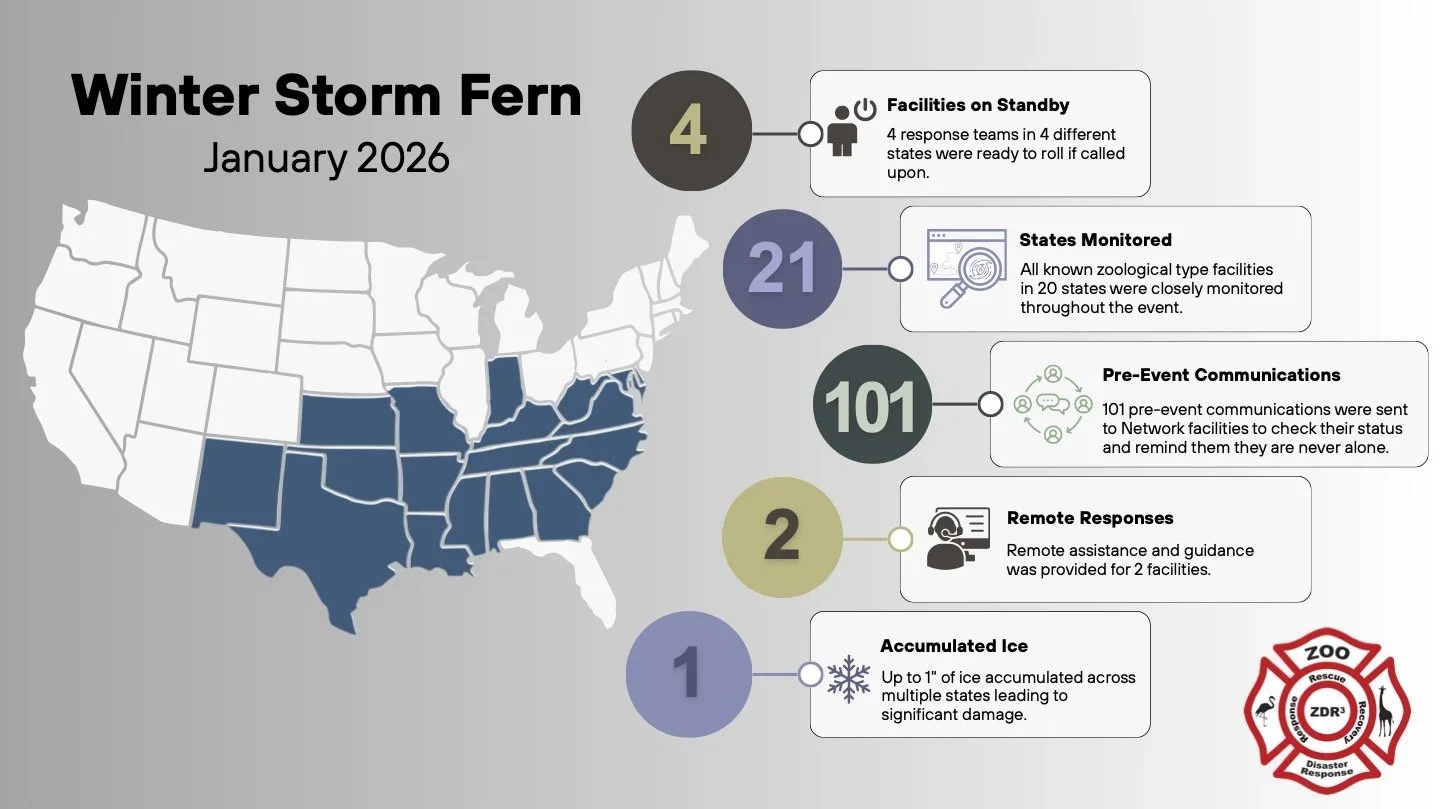
Winter Storm Fern - January
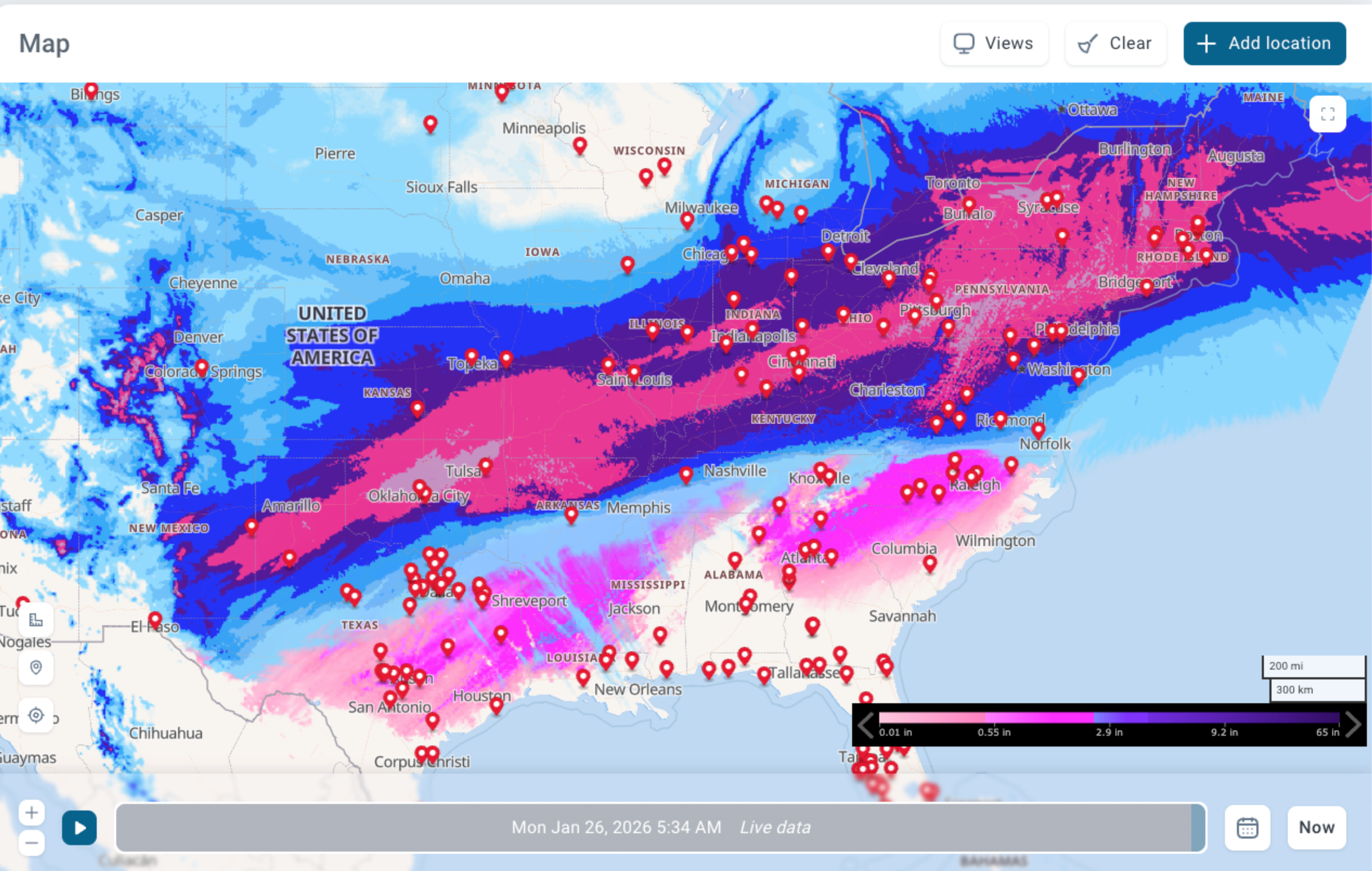
This year we boosted our situational awareness with Baron Weather Logic, which provides real-time radar, storm tracking, predictive modeling, and severe weather alerts for specific locations.
Fern was a massive storm that was predicted to dump snow, sleet, freezing rain, and ice across a significant swath of the country. Had the forecast for potential power loss, tree collapse, and general destabilization come to fruition, the impacts at some facilities would have been comparable to the impact of a high-category hurricane.
That led us to reach out to more than 100 ZDR3 Network facilities to assure them we were monitoring conditions and were available 24/7, and to remind them how to contact us if they needed assistance with preparation and/or response. We asked response teams throughout the country to stand by for possible deployments, including those who could provide generators and other resources for facilities that lost power.
We received two requests for support. One facility was concerned about significant damage from the storm, so we put a nearby team on standby for potential immediate assistance, and another team from outside the region on standby for longer-term relief. We had generators on standby for another facility that was concerned about losing power after their primary and secondary power sources were compromised. Neither facility required on-scene assistance, but were grateful to know ZDR3 Network members were available with resources.
Winter Storm Gianna - January
This storm evolved soon after Fern. One of our concerns was that its trajectory suggested it would affect some of the areas still struggling to dig out and resume normal operations. Experience has taught us that once a region has been hit by an adverse weather event, facilities are weakened, staff is exhausted, and they could face additional destruction. For instance, trees that weren't damaged or downed during an initial storm might succumb to a second one, while the ground is already saturated and trees are still iced. We reached out to facilities in its path, and asked response teams to continue to be ready, if needed.
Blizzard of 2026 - February
This storm was threatening the Northeast and Mid-Atlantic regions with extraordinary amounts of snow, even in areas where snowfall is common. Once again, we touched base with ZDR3 Network facilities to let them know we were monitoring and available 24/7.
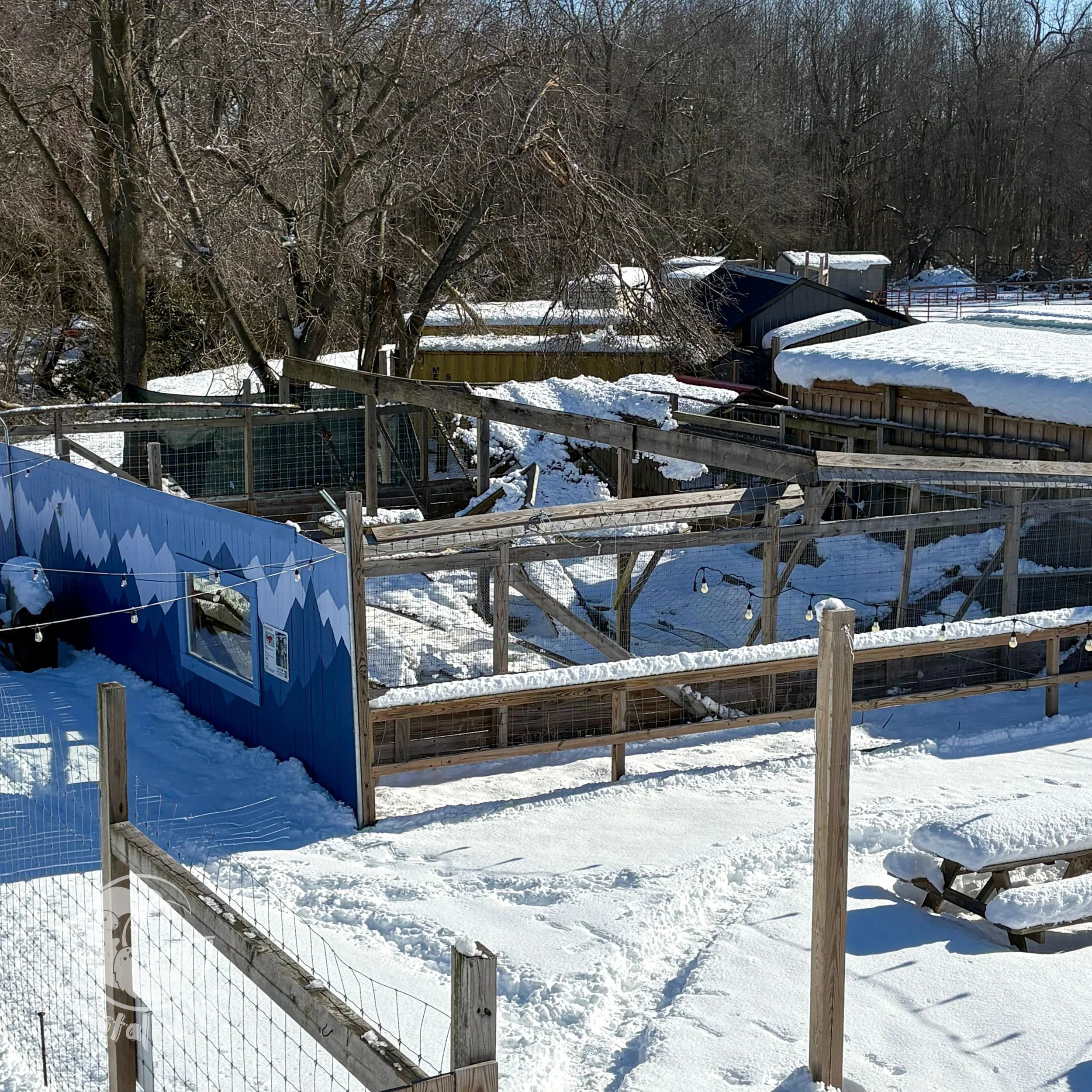
A lynx enclosure with a collapsed roof, surrounded by snow. Caption: The snow load from the blizzard caused a lynx enclosure's roof to collapse. The lynx had already been moved out of that space, and is safe. Photo courtesy of Coastal Wilds.]
Coastal Wilds, a zoological park in Delaware, faced record-breaking snowfall that impacted both their site and the entire region. The site lost power, then their generators began to fail, and a lynx enclosure's roof collapsed under the weight of snow. The lynx, Sasha, had already been moved to a separate secure holding area, where she was safe for the duration of the storm and during habitat repairs.
Within five hours of contacting ZDR3, a team from Plumpton Park Zoo arrived with two generators. Keystone Safari and Catoctin Wildlife Preserve remained on standby to assist with additional generators and enclosure reconstruction. Fortunately, Coastal Wilds was able to quickly stabilize and resume their recovery process.
We applaud the leadership and team at Coastal Wilds for their preparedness efforts on behalf of their animals, and their actions to rally additional support both through collaboration with ZDR3 and effective messaging via social media and media channels.
Educational Outreach
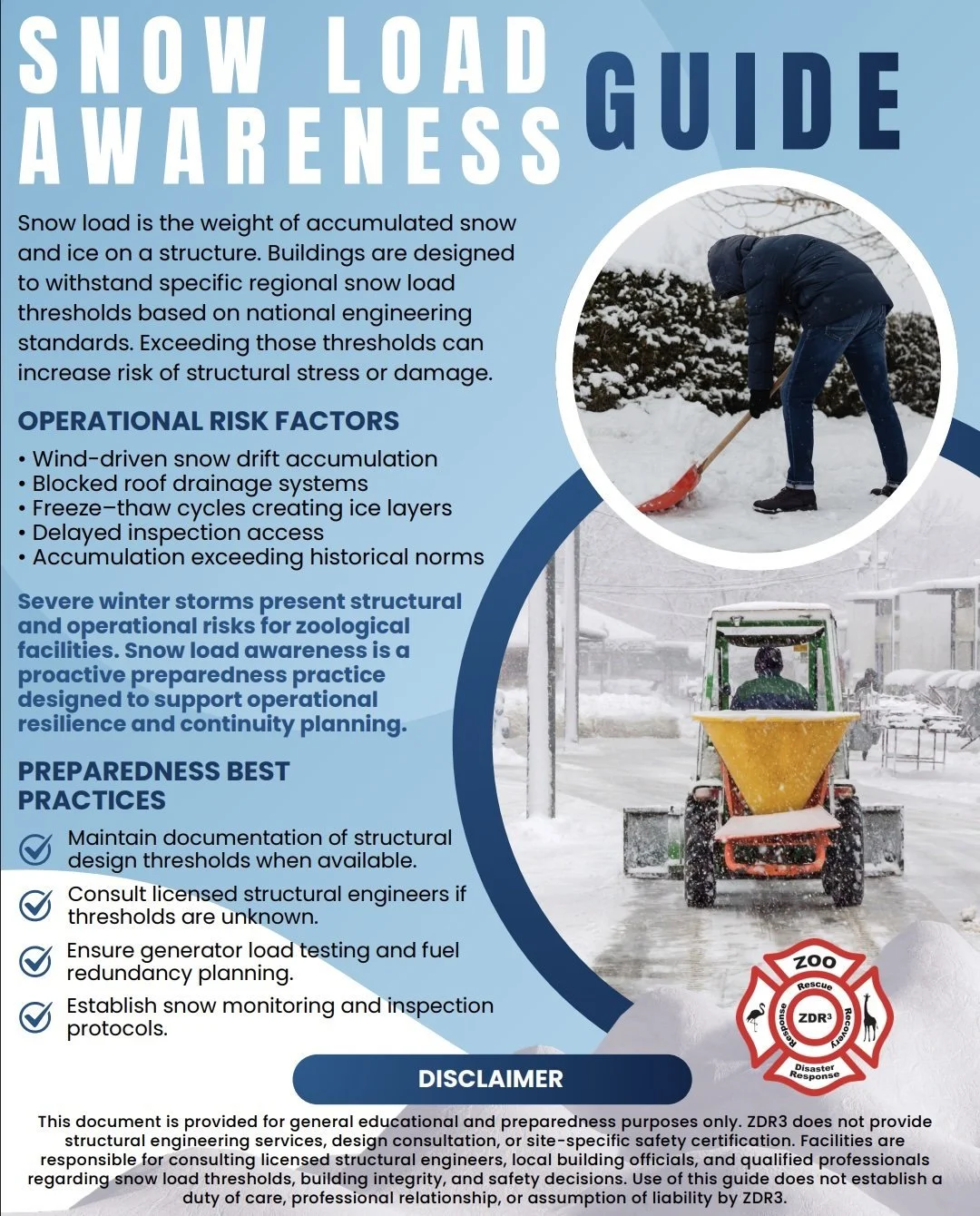
If you are in an area where snow is common, consider downloading the Snow Load Awareness Guide to add to your contingency plan.
Throughout the winter, ZDR3 continued to support facilities in the path of incoming storms, offering guidance on generator readiness, enclosure inspections, and staff safety protocols. Many facilities reported that having a responsive network to consult during active weather events gave their teams added confidence when making real-time decisions.
As part of this effort, ZDR3 hosted a series of webinars this winter covering topics such as emergency generator selection, cold-weather enclosure retrofitting, and staff communication protocols during extended power outages. These sessions were open to all ZDR3 Network facilities and recordings were archived for future reference.
As we look ahead to next winter, ZDR3 remains committed to strengthening these partnerships, refining our storm-tracking capabilities, and ensuring every facility in our network has the resources and support they need to protect their animals and staff.
Other Noteworthy Events
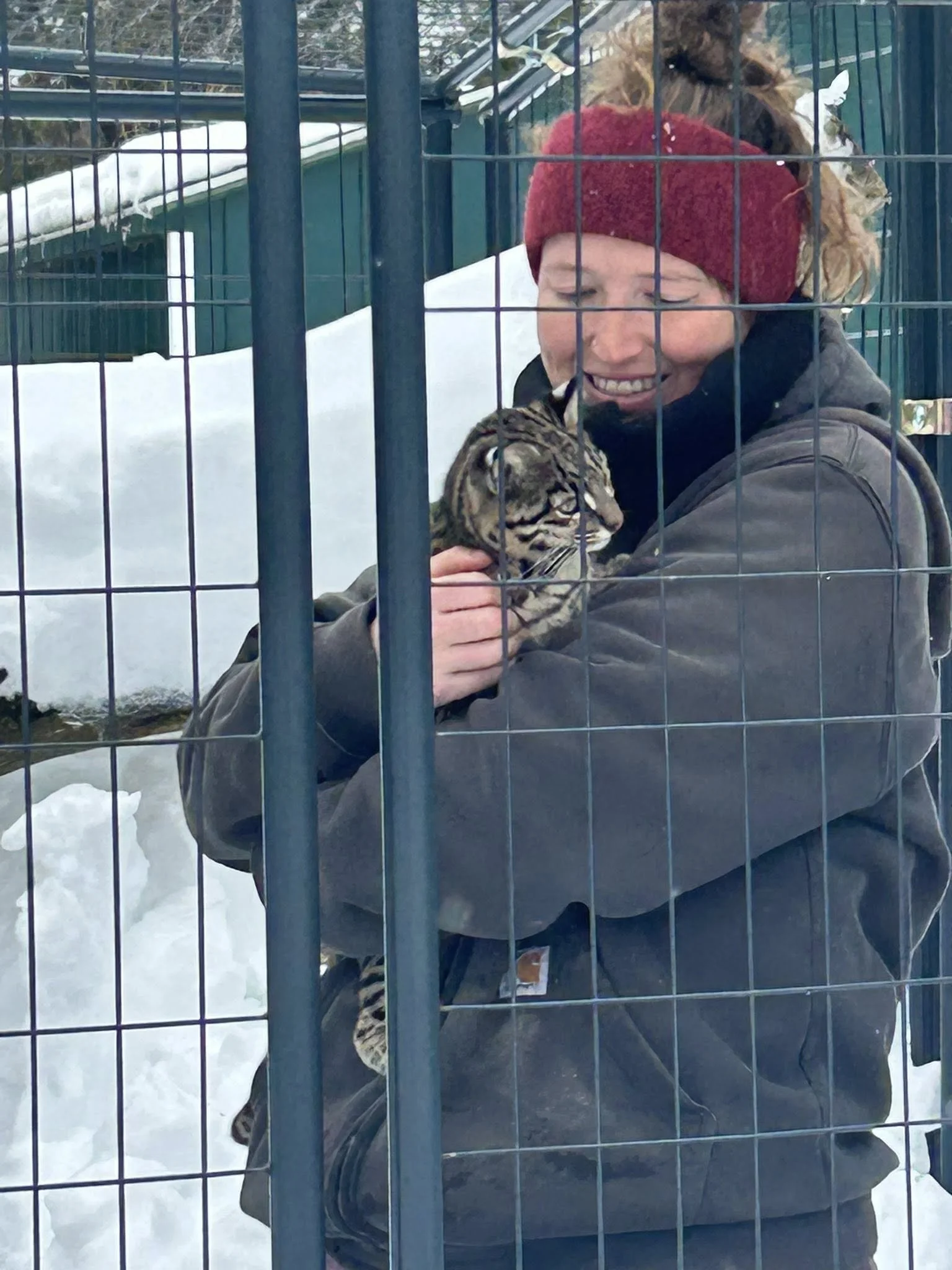
Photo courtesy of Pine Meadow Alpacas. See more shots of the blizzard in this Facebook post.
Beyond the major storms, ZDR3 tracked a number of smaller weather events throughout the season that still required monitoring and coordination. Several facilities in the Midwest experienced ice accumulation that led to temporary road closures, delaying feed deliveries and routine veterinary visits. ZDR3 worked with regional partners to identify alternate supply routes and kept affected facilities updated on changing road conditions.
In the Southeast, an unexpected ice storm in March caught several facilities off guard after an otherwise mild winter. ZDR3 quickly activated its network to check on preparedness levels and offer guidance to teams less experienced with cold-weather protocols, helping prevent any significant animal or infrastructure losses.
These smaller-scale events reinforced the value of year-round vigilance and reminded the ZDR3 Network that winter weather can affect any region, regardless of how frequently it typically experiences snow or ice.